
Heroic Figures
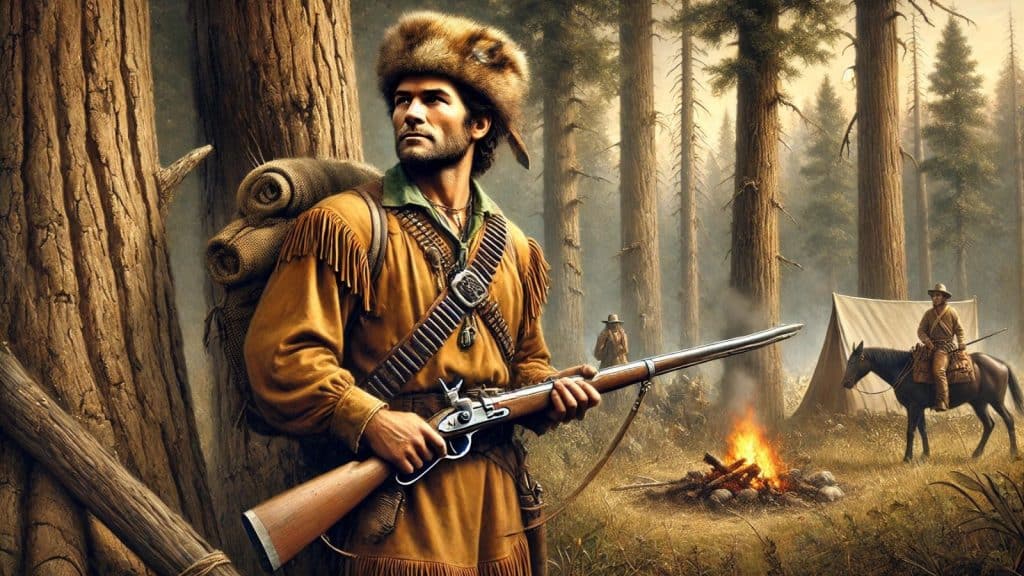
Davy Crockett: King of the Wild Frontier
Dec
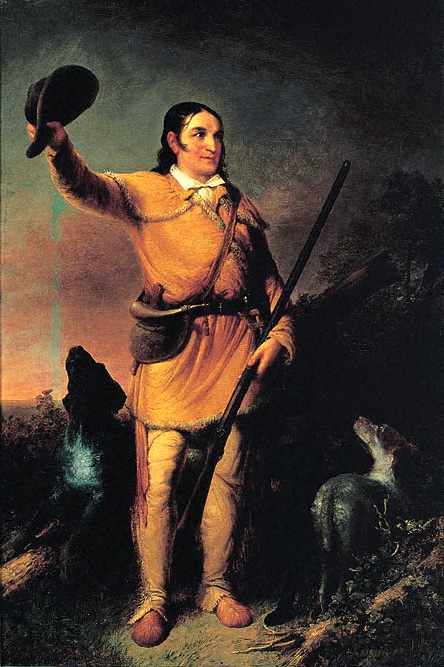
David “Davy” Crockett (1786–1836) was an American frontiersman, soldier, politician, and folk hero whose larger-than-life persona symbolized rugged individualism and the pioneering spirit of the early United States. Born into humble beginnings, Crockett rose to prominence through his exploits on the frontier, his service in the U.S. Congress, and his legendary stand at the Battle of the Alamo.
Early Life
Davy Crockett was born on August 17, 1786, in Greene County, Tennessee, then part of the western frontier of the United States. He was the fifth of nine children born to John and Rebecca Hawkins Crockett. His father was a struggling farmer and tavern keeper, and young Davy grew up in a world of hardship and survival.
Crockett’s early life was marked by wanderlust and adventure. At 12, his father hired him out to work for a cattle driver, an experience that began a lifelong connection to the wilderness. Over the next few years, Crockett drifted through various jobs, including as a teamster and a laborer, honing his skills as a hunter and woodsman. His informal education was limited; he attended school for only a few months but quickly developed a talent for storytelling and a keen sense of observation.
Family and Frontier Life
In 1806, at the age of 20, Davy Crockett married Mary “Polly” Finley. The couple settled in East Tennessee and had three children. Crockett worked as a farmer, hunter, and trapper to provide for his family. After Polly died in 1815, Crockett married Elizabeth Patton, a widow with two children. Together, they raised a blended family and moved to Middle Tennessee, where Davy Crockett became known for his prowess as a marksman and his colorful tales of frontier life.
Military Service
Davy Crockett’s first significant foray into public life came during the Creek War (1813–1814), a conflict between the United States and the Creek Nation. As a scout and militiaman under General Andrew Jackson, Crockett’s familiarity with the wilderness made him an invaluable asset. Though he saw little direct combat, his experiences during the war solidified his reputation as a skilled outdoorsman and a reliable frontiersman.
Political Career
Crockett’s charisma and leadership abilities in the years following the war propelled him into politics. He began his public service as a justice of the peace and later served in the Tennessee state legislature. In 1827, Crockett was elected to the U.S. House of Representatives as a member of the anti-Jacksonian faction of the Democratic-Republican Party.
Crockett’s tenure in Congress was characterized by his advocacy for the common man and his opposition to many of Andrew Jackson’s policies, particularly the Indian Removal Act of 1830.
He believed the policy was unjust and harmful to Native American communities, a stance that put him at odds with many of his contemporaries.
Davy Crockett’s folksy demeanor and plainspoken manner endeared him to his constituents, but his political career was tumultuous. He lost his seat in 1831, regained it in 1833, and lost it again in 1835. Crockett’s speeches and letters often highlighted his wit and homespun philosophy throughout his time in Congress, earning him a national following.
Folk Hero and Cultural Icon
While Crockett’s real-life achievements were impressive, his legend grew by publishing exaggerated tales of his exploits. In the 1830s, a series of almanacs and stories depicted him as a larger-than-life figure—a “King of the Wild Frontier” who could wrestle bears and shoot with unmatched accuracy. These stories, though embellished, helped cement Crockett’s place in American folklore.
Crockett also contributed to his mythos by publishing an autobiography, A Narrative of the Life of David Crockett, in 1834. The book was a bestseller and showcased his humor, resourcefulness, and disdain for political corruption. It reinforced his image as a man of the people and added to his enduring legacy.
Journey to Texas
Disillusioned with politics and seeking a fresh start, Davy Crockett decided to join the wave of American settlers heading to Texas, which was then a Mexican territory. In 1835, he set out for Texas with a group of volunteers lured by the promise of land and opportunity. Crockett’s decision was also driven by a sense of adventure and a desire to escape the constraints of his former life.
Upon arriving in Texas, Davy Crockett aligned himself with the Texian cause for independence from Mexico. He and his comrades joined the small garrison at the Alamo, a mission in San Antonio that symbolized resistance against Mexican rule.
The Battle of the Alamo
Crockett’s final chapter unfolded at the Battle of the Alamo in March 1836. Alongside a small force of Texian and Tejano defenders, Crockett faced the vastly superior Mexican army led by General Antonio López de Santa Anna. Despite being outnumbered and outgunned, the defenders held out for 13 days, displaying extraordinary bravery and determination.
On March 6, 1836, the Alamo fell. Crockett’s exact fate remains a subject of debate; some accounts suggest he died in combat, while others claim he was captured and executed. Regardless of the details, his death at the Alamo immortalized him as a martyr for Texan independence and a symbol of unyielding courage.
Legacy
Davy Crockett’s legacy endures as an emblem of American grit and determination. He represents the pioneering spirit that defined the early United States and continues to inspire generations of Americans. His life—equal parts historical reality and mythological narrative—serves as a reminder of the complexities and contradictions of the American frontier experience.
In popular culture, Crockett has been celebrated in countless books, films, and songs. Perhaps the most famous portrayal is the 1950s Disney series Davy Crockett, starring Fess Parker, which introduced the “Ballad of Davy Crockett” and sparked a nationwide craze for coonskin caps. While often romanticized, these portrayals reflect the enduring fascination with Crockett’s character and his place in American history.
Conclusion
Davy Crockett’s life was a testament to the resilience and resourcefulness required to thrive on the frontier. Crockett embodied the spirit of adventure and the pursuit of freedom from his humble beginnings in Tennessee to his heroic stand at the Alamo. Though his story has been embellished over time, the core of his legend—a man of courage, conviction, and charisma—remains an integral part of the American narrative. His legacy is a symbol of the enduring quest for independence and self-determination.
OpenAI. (2024). ChatGPT [Large language model]. https://chatgpt.com
