
Actors
Lizabeth Scott: Hollywood’s Most Mysterious Actress!

Jan
From Emma Matzo to Lizabeth Scott: The Transformation of an Icon
The woman who would captivate audiences as the sultry-voiced femme fatale of film noir began life far from Hollywood’s spotlight. Born Emma Matzo in 1922 to working-class parents in Scranton, Pennsylvania, she transformed into “Lizabeth Scott,” a deliberate creation of a new identity. The daughter of Slovakian immigrants, young Emma harbored dreams that stretched far beyond her industrial hometown.
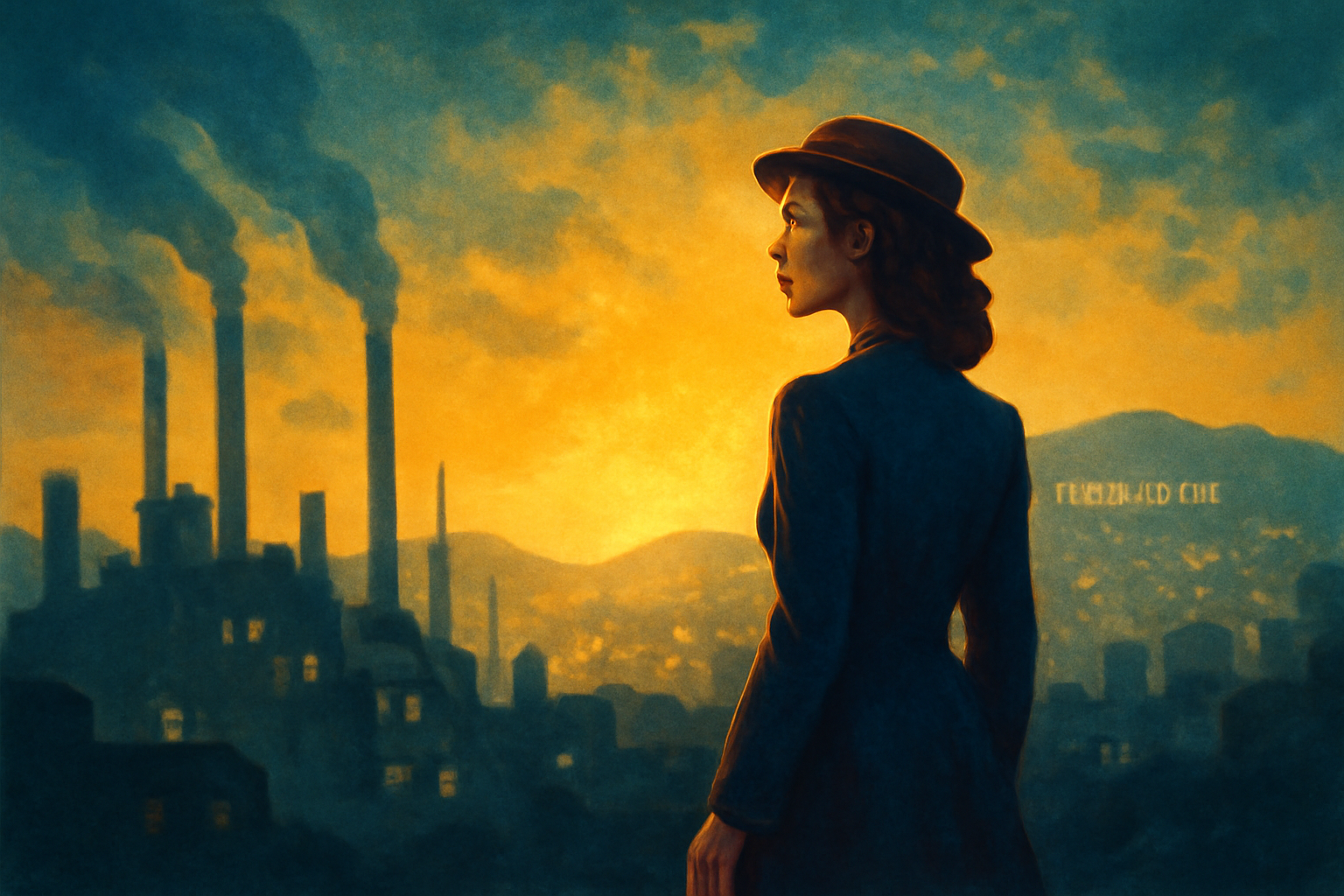
After studying at the Alvienne School of Drama in New York, Lizabeth Scott began modeling for Harper’s Bazaar and other fashion publications, her striking features and confident gaze catching the attention of industry insiders. Her early theater work included understudying for Tallulah Bankhead in Thornton Wilder’s “The Skin of Our Teeth”—an experience that gave her valuable stage presence but left her yearning for leading roles.
The pivotal moment came when producer Hal Wallis spotted her in 1944. Recognizing her raw potential, Wallis saw in Scott’s deep voice and mysterious eyes the perfect elements for the film noir era that was just taking shape. Her screen test revealed a quality that executives couldn’t quite define but knew audiences would find mesmerizing. As film noir historian Eddie Muller noted, “Scott’s appeal wasn’t built on conventional beauty but on an intriguing combination of vulnerability and danger.”
The Accidental Noir Star: Scott’s Rapid Hollywood Ascension
Warner Bros. publicity departments quickly branded Lizabeth Scott as “The Threat,” positioning her as a direct competitor to Lauren Bacall, whose success in “To Have and Have Not” (1944) had established the template for the smoky-voiced, mysterious woman. The comparison wasn’t accidental—both actresses possessed that rare quality of seeming simultaneously accessible and unknowable.
Lizabeth Scott ‘s career gained significant momentum with “The Strange Love of Martha Ivers” (1946), in which she held her own against established star Barbara Stanwyck.
 Critics noted her ability to convey complex emotions with minimal dialogue, a talent perfectly suited to noir’s shadowy psychological landscapes. Between 1945 and 1957, Scott appeared in more than 20 films, with titles like “Dead Reckoning,” “Too Late for Tears,” and “I Walk Alone” cementing her reputation as one of noir’s most compelling leading ladies.
The Hal Wallis Contract: Blessing or Career Limitation?
While Wallis’s discovery launched Scott into stardom, his tight control over her career proved double-edged. Their exclusive contract gave her steady work but limited her range of roles. Scott found herself repeatedly cast as “the other woman” or the troubled femme fatale—roles that showcased her unique screen presence but rarely allowed her to expand her dramatic range.
Behind the scenes, Lizabeth Scott pushed for more complex characters and greater input into her career decisions. Studio documents from the period reveal her growing frustration with being typecast, along with several rejected requests to be loaned out for projects outside Wallis’s production company. This struggle for artistic autonomy would become a defining aspect of Scott’s Hollywood experience—and perhaps an early sign of the independence that would later lead her to leave the industry entirely.
The Scandalous Allegations That Changed Everything
The Confidential Magazine Lawsuit: Scott’s Battle Against Tabloid Journalism
In 1955, Lizabeth Scott took a stand that few Hollywood stars dared to make. When Confidential Magazine published “Lizabeth Scott in the Lavender Lounge,” an article heavily implying she was a lesbian who frequented underground gay establishments, Scott didn’t retreat into silence. Instead, she filed a groundbreaking $2.5 million lawsuit against the tabloid, becoming one of the first major celebrities to legally challenge its practices.
The article’s implications were devastating in an era when even rumors about homosexuality could destroy careers overnight. With suggestive language and supposed “eyewitness accounts,” Confidential presented Scott as leading a secret life that directly contradicted Hollywood’s carefully manufactured image of its female stars. Film historians note that while the magazine claimed to “tell the facts and name the names,” its reporting methods often relied on paid informants and deliberate misrepresentations.
The Hollywood Blacklist Era: Was Scott a Hidden Victim?
Lizabeth Scott s career nosedive coincided suspiciously with the height of the McCarthy era. While her name never officially appeared on any Hollywood blacklist, industry insiders have long whispered about her possible inclusion on unofficial “gray lists” that studios maintained in secret.
What made Scott potentially suspicious to anti-Communist crusaders? Her refusal to conform to traditional gender expectations raised eyebrows, as did her fiercely private nature. Some film scholars suggest her independence marked her as politically questionable during a time when women were expected to project wholesome domesticity. According to UCLA Film Archive documents, numerous actresses saw their careers mysteriously stall without ever learning why they had become unemployable.
The Elvis Connection: Scott’s Final Film Controversy
“Loving You” (1957) should have been a career boost for Scott. Instead, it became her Hollywood swan song. Cast as a talent promoter opposite the 22-year-old Elvis Presley, the 35-year-old Scott faced harsh media criticism for the age difference, despite playing a professional rather than romantic role.
Behind-the-scenes tensions reportedly plagued the production. While Elvis himself spoke warmly of Lizabeth Scott in later interviews, Hollywood gossip columns suggested Paramount executives were unhappy with her performance and appearance. Elvis historians have documented how the studio quickly shifted promotional focus entirely to Presley, effectively sidelining Scott in publicity materials.
After “Loving You,” major film offers ceased.
 The triple blow of the Confidential scandal, potential political blacklisting, and the Elvis film controversy created a perfect storm that pushed one of film noir’s most captivating performers into Hollywood oblivion.
The Vanishing Act: Scott’s Mysterious Disappearance from Hollywood
The Abrupt Career Halt: From Stardom to Silence
In 1957, Lizabeth Scott starred opposite Elvis Presley in “Loving You” – and then, almost overnight, her prolific film career screeched to a halt. After appearing in over twenty films in just twelve years, Scott virtually vanished from Hollywood’s radar.
 Between 1957 and 1972, she made only four screen appearances: two television roles and two forgettable film parts. Then, silence.
What makes Scott’s disappearance particularly jarring is its suddenness. Unlike stars who gradually faded away, Scott went from A-list noir queen to Hollywood exile with startling speed. According to film historian James Pontino, “Lizabeth Scott s departure wasn’t gradual – it was like someone flipped a switch.”
The early 1960s saw Scott attempt several career reinventions. She reportedly auditioned for dramatic television anthology series that were popular at the time, but the roles did not materialize. Scott also pursued several Broadway opportunities, but these efforts similarly fizzled. Most notably, she turned down the role of an aging actress in a film that some believe was loosely inspired by her own career struggles.
While Lizabeth Scott disappeared, many of her contemporaries successfully pivoted.
 Barbara Stanwyck became a television western star in “The Big Valley.” Joan Crawford reinvented herself in horror films like “Whatever Happened to Baby Jane?” Even Gloria Grahame, another noir staple, continued working steadily in smaller character roles. Scott, in contrast, simply withdrew.
The Reclusive Years: Scott’s Life Away From the Spotlight
For over four decades, Lizabeth Scott lived in near-complete privacy. She purchased a modest but elegant home in the hills of Southern California, where she remained until her death in 2015 at age 92. According to rare interviews with neighbors, Scott was occasionally spotted at local markets or restaurants but largely kept to herself.
What distinguished Scott’s reclusiveness from other private stars was her absolute refusal to capitalize on her past fame. She declined all film festival invitations, retrospective events, and documentary interview requests. When occasionally approached by journalists, her response was always the same: a polite but firm refusal to discuss her Hollywood years.
The Unanswered Questions: What Really Happened?
The true reasons behind Lizabeth Scott’s withdrawal remain Hollywood’s most enduring mystery. Some industry insiders claim Scott was essentially forced out after the Confidential Magazine scandal damaged her reputation beyond repair. Others suggest she simply grew disillusioned with the film industry’s limitations and chose to leave on her own terms.
Adding to the mystery, Scott’s personal papers remain sealed to researchers. Unlike many stars of her era, she repeatedly rejected substantial offers to write a memoir – reportedly turning down a six-figure book deal in the 1980s.
Film historian Patricia Lynch theorizes, “Scott may have been one of the few stars who genuinely valued privacy over legacy. Or perhaps she felt the complete story couldn’t be told in her lifetime without harming others.”
The Private Life: Relationships, Rumors, and Realities
The Never-Married Star: Scott’s Unconventional Personal Choices
In an era when marriage was practically mandatory for Hollywood actresses, Lizabeth Scott stood apart. Throughout her life, she never walked down the aisle – a decision that raised eyebrows in 1940s and 50s Hollywood, where studios often arranged marriages to boost publicity and maintain image. This deliberate choice to remain single set Lizabeth Scott apart from contemporaries such as Rita Hayworth, who married five times, or Elizabeth Taylor, who married eight times.
Scott’s most discussed romantic connection was with her discoverer and longtime producer Hal Wallis. Their professional relationship spanned a decade, but persistent rumors suggested their bond ran deeper. When asked about Wallis in rare interviews, Scott remained tactfully vague, acknowledging only his importance to her career. According to Hollywood contract historians, their complex relationship represented the blurred professional and personal boundaries common in studio-era Hollywood.
Another frequently mentioned name in Scott’s romantic history was screenwriter Mike Connolly. Though neither publicly confirmed a relationship, Hollywood insiders noted their frequent dinner dates and public appearances together in the early 1950s. Their connection eventually cooled, leaving behind more questions than answers.
Lizabeth Scott’s unmarried status became fodder for the rumor mill, with tabloids questioning everything from her sexual orientation to fabricated affairs. As film historian Eddie Muller noted, “Scott’s refusal to play by Hollywood’s matrimonial rules made her an automatic target for speculation.”
The Privacy Obsession: Scott’s Battle to Control Her Narrative
Unlike many stars who courted publicity, Scott fought fiercely for privacy. Her contracts reportedly contained unusual clauses limiting public appearances and promotional obligations. According to media history experts, Scott was among the first Hollywood actors to negotiate specific privacy protections into her agreements.
Even at the height of her career, Scott strategically avoided Hollywood’s social whirl. While contemporaries like Joan Crawford cultivated relationships with gossip columnists, Scott remained notably absent from parties, premieres, and nightclub scenes unless contractually obligated to attend.
The actress gave remarkably few interviews throughout her career. Those journalists granted access encountered strict boundaries – certain topics remained firmly off-limits. One Hollywood reporter from 1953 complained that interviewing Scott was “like playing chess with someone who’s already planned ten moves ahead.”

Beyond the Rumors: What We Actually Know About Scott’s Personal Life
Despite her guarded nature, certain facts about Lizabeth Scott’s private life have emerged over time. She maintained several genuine friendships in Hollywood, most notably with Mary Livingstone, Benny (wife of comedian Jack Benny), and actresses Barbara Stanwyck and Lauren Bacall. These relationships often outlasted her film career, suggesting authentic connections beyond professional networking.
In her later years, Scott developed interests beyond cinema. She became an avid art collector, focusing particularly on modern American painters. According to Hollywood archive records, her collection grew to include significant works that reflected her sophisticated taste and cultural knowledge.
Scott also demonstrated remarkable financial acumen, investing heavily in Southern California real estate decades before its subsequent boom. This foresight provided her financial independence throughout her extended retirement – a rarity among actresses of her era who often struggled financially after leaving Hollywood.
The Enduring Mystery: Scott’s Legacy and Rediscovery
The Film Noir Renaissance: Scott’s Critical Reappraisal
Time has been remarkably kind to Lizabeth Scott’s filmography. Since the 1990s, a significant noir revival has swept through academic circles and film criticism, rescuing Scott’s work from potential obscurity. What was once dismissed as B-movie fare is now studied in film schools worldwide as quintessential American cinema. This renewed interest has sparked extensive academic research into Scott’s unique contributions to the genre.
Film preservation organizations have prioritized restoring Scott’s most influential works to their original glory.
 “Too Late for Tears” (1949), once considered lost, underwent a painstaking restoration in 2016, allowing modern audiences to witness one of Scott’s most chilling performances. “Dead Reckoning” (1947) and “Pitfall” (1948) have benefited from careful restoration, preserving Scott’s enigmatic screen presence for future generations.
Modern critics view Scott’s performances through an entirely different lens than their predecessors did. Where 1940s reviewers often dismissed her as merely a “Bacall knockoff,” contemporary analysis recognizes the subtle complexities she brought to her roles. Her restrained emotional delivery, once criticized as wooden, is now praised as deliberately ambiguous – allowing viewers to project their own interpretations onto her characters.
The Cult Following: Modern Fans and Scott’s Unique Appeal
Scott has developed a passionate cult following that extends far beyond traditional classic film enthusiasts. Younger viewers discovering film noir through streaming platforms are particularly drawn to Scott’s modern sensibilities – her characters often displayed an independence and moral ambiguity that feels surprisingly contemporary.
Online communities have emerged dedicated to celebrating Scott’s legacy. Facebook groups, Reddit threads, and Twitter accounts regularly share rare photos, film clips, and trivia about the actress. These digital preservation efforts have created virtual museums of Scott’s work, accessible to fans worldwide.
Annual noir festivals in cities like San Francisco, Chicago, and Los Angeles regularly feature Scott’s films, which often sell out. The “Noir City” festival has hosted special retrospectives of Scott’s work, introducing her to new audiences who are invariably captivated by her smoldering screen presence and distinctive voice.
The Unfinished Story: What Makes Scott Perpetually Fascinating
The deliberate gaps in Scott’s biography create an irresistible puzzle for researchers and fans alike.
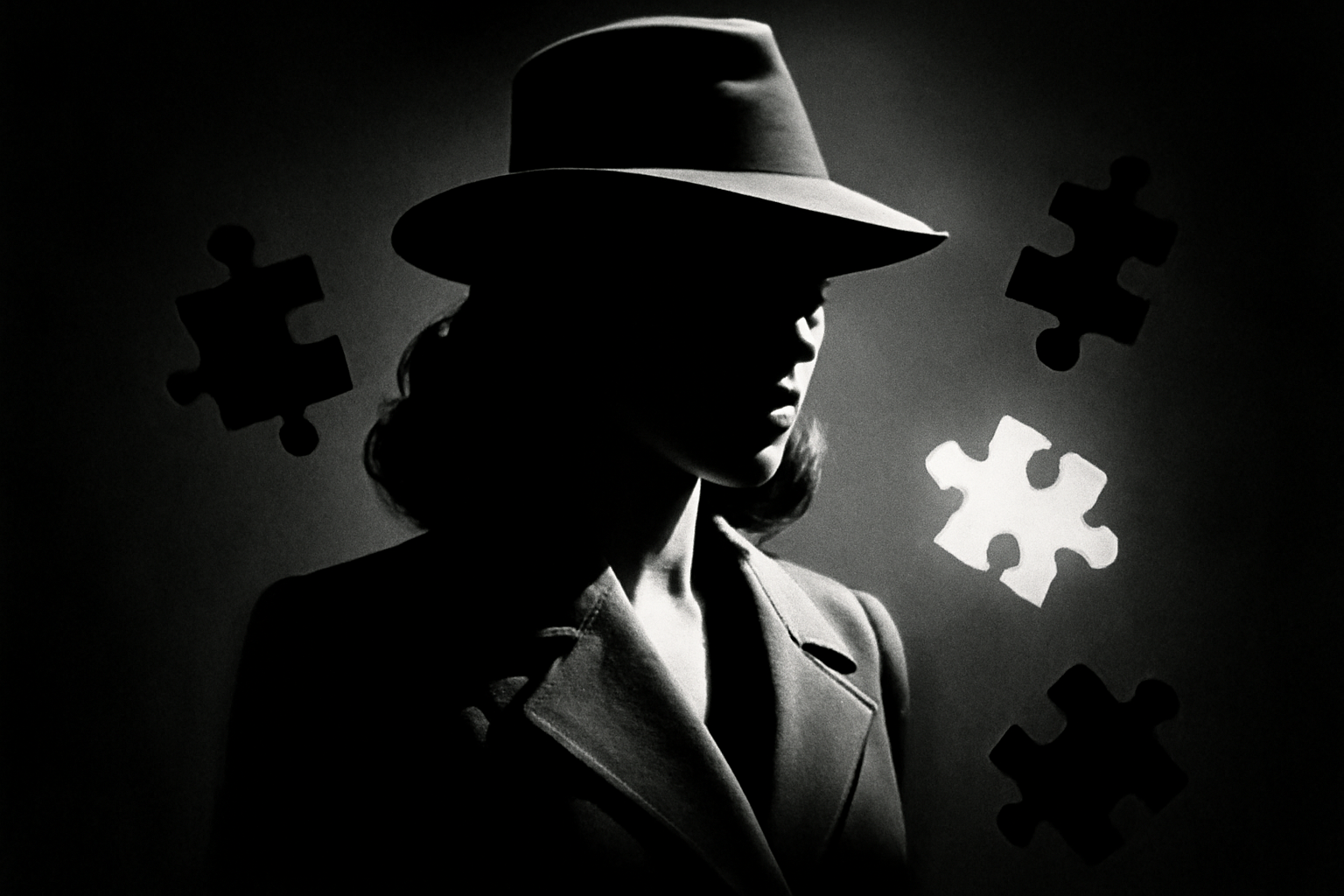 Unlike contemporaries who documented their lives through memoirs and interviews, Scott’s strategic silence created a biographical vacuum that continues to intrigue. Film historians continue debating the true circumstances of her career trajectory.
Unlike other “mysterious” Hollywood figures like Greta Garbo or Veronica Lake, Scott’s enigma stems not from complete withdrawal but from controlled visibility. She occasionally surfaced for carefully selected appearances, then retreated again – a pattern that kept her mystique alive.
The unanswered questions surrounding Scott paradoxically strengthen her cinematic legacy. In an era of social media oversharing and celebrity tell-alls, Scott’s steadfast refusal to explain herself feels refreshingly authentic. Her mystery doesn’t detract from her artistry – it amplifies it, making each film performance feel like another piece of an unsolvable puzzle.
