
Actors
Suzanne Pleshette: a Hollywood Original
Apr
Suzanne Pleshette
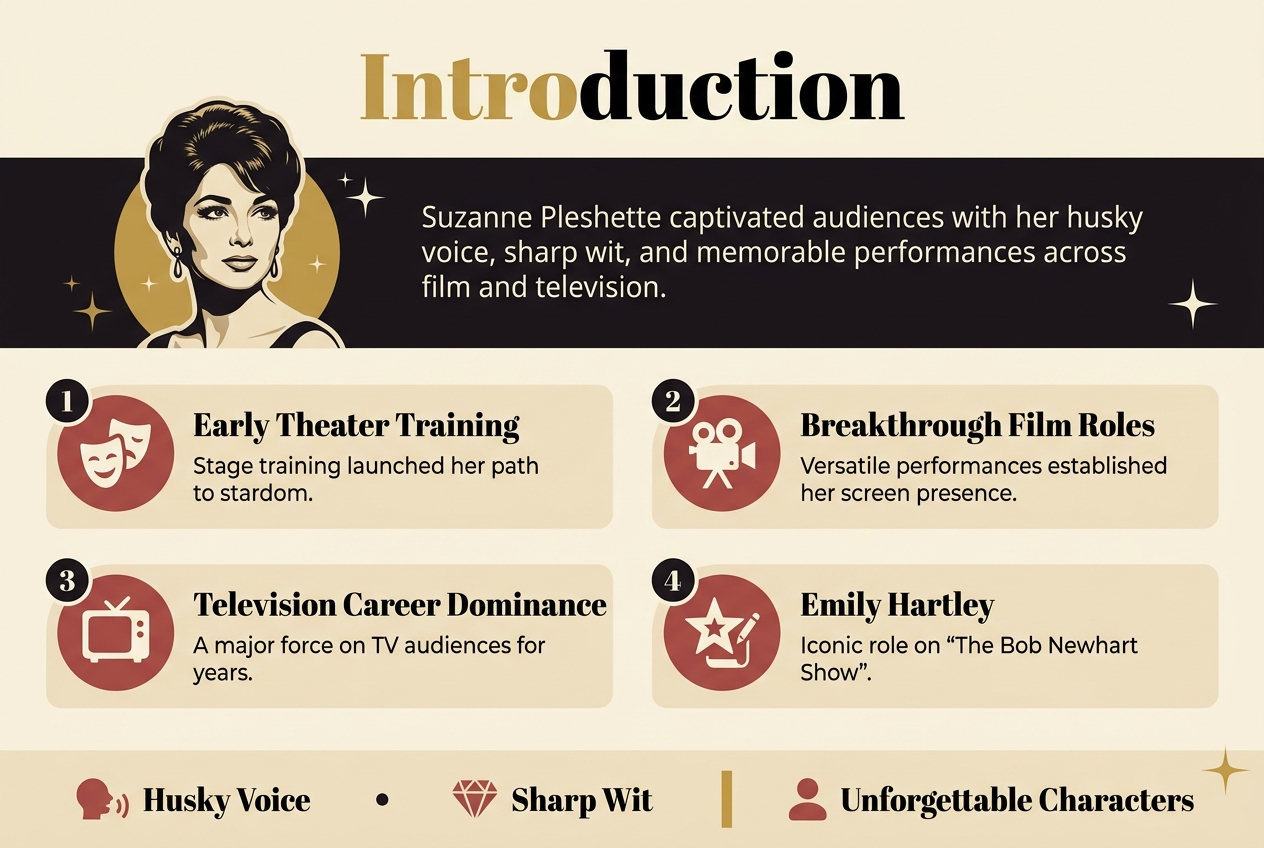
Suzanne Pleshette captivated audiences for decades with her distinctive husky voice, sharp wit, and memorable performances across film and television. This comprehensive guide is perfect for classic Hollywood fans, entertainment enthusiasts, and anyone curious about one of the most talented actresses of her generation.
You’ll discover how Pleshette’s early theater training launched her into stardom and explore her breakthrough film roles that established her as a versatile performer. We’ll also dive into her television career dominance, including her iconic role as Emily Hartley on “The Bob Newhart Show,” and examine her unique acting style that made every character unforgettable.
Early Life and Career Beginnings That Shaped a Star
Brooklyn Roots and Theatrical Training Foundation
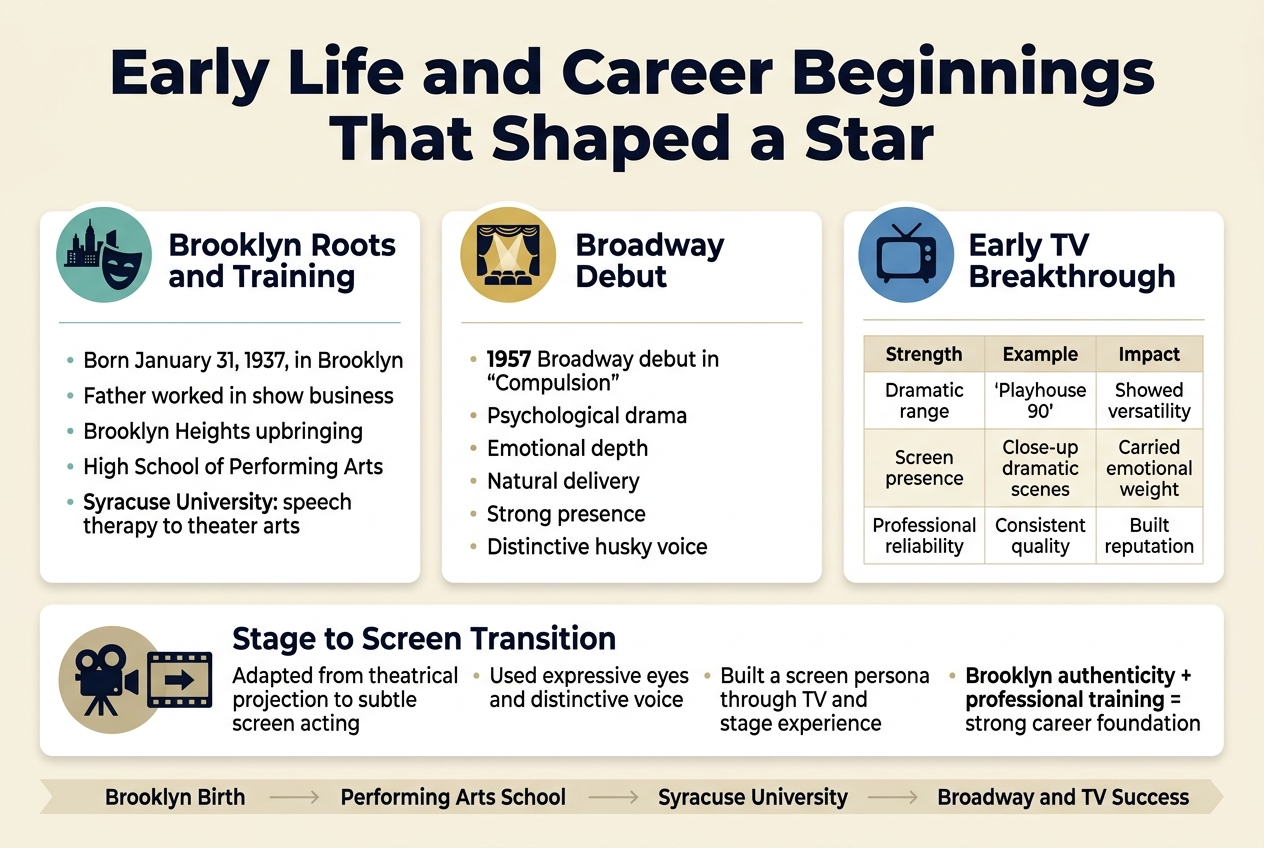
Suzanne Pleshette was born into a middle-class Brooklyn family on January 31, 1937, where her love for performance first took root. Her father, Gene Pleshette, worked as a stage manager and network executive, giving young Suzanne early exposure to the entertainment world. This connection to show business sparked her interest, but it was her natural talent and determination that would carry her forward.
Growing up in Brooklyn Heights, Pleshette developed a distinctive husky voice that would become her trademark. She attended the High School of Performing Arts in Manhattan, where she honed her craft alongside other aspiring performers. The rigorous training she received there laid the groundwork for her sophisticated acting style and professional approach to the craft.
After high school, Pleshette enrolled at Syracuse University, where she studied speech therapy before switching to theater arts. Her time at Syracuse proved pivotal, as she participated in numerous campus productions and refined her stage presence. The university environment allowed her to experiment with different roles and develop the versatility that would serve her throughout her career.
Broadway Debut and Stage Performance Mastery
Pleshette made her Broadway debut in 1957 in “Compulsion,” a psychological drama that showcased her ability to handle complex, emotionally demanding material. The production, which dealt with the Leopold and Loeb murder case, required intense dramatic commitment, and Pleshette delivered with remarkable maturity for such a young performer.
Her stage work during this period established several key elements of her professional identity:
- Emotional depth: She could convey complex psychological states with subtlety
- Natural delivery: Her conversational acting style felt authentic rather than theatrical
- Strong presence: She commanded attention without overacting
- Vocal distinctiveness: Her husky voice became an immediate identifier
The Broadway experience taught Pleshette discipline and timing that would prove invaluable in her later television and film work. Working with seasoned theater professionals, she learned to maintain energy over long performances and connect with live audiences night after night.
Television Appearances That Launched Her Career
Television became Pleshette’s launching pad to broader recognition. Her early TV appearances in the late 1950s showcased her range across different genres. She guest-starred on popular anthology series like “Playhouse 90” and “Studio One,” where she tackled everything from romantic drama to psychological thrillers.
These early television roles revealed several strengths:
| Strength | Example | Impact |
|---|---|---|
| Dramatic range | “Playhouse 90” performances | Showed versatility beyond comedy |
| Screen presence | Close-up work in dramatic scenes | Proved she could carry emotional weight |
| Professional reliability | Consistent quality across shows | Built industry reputation |
Her television work caught the attention of film producers who recognized her potential for the big screen. The intimate nature of TV drama allowed viewers to connect with her personality in ways that would later translate perfectly to both romantic comedies and serious dramatic roles.
Transition from Stage to Screen Success
The move from stage to screen required Pleshette to adapt her performance style significantly. Theater demanded projection and larger gestures, while film and television called for more subtle, naturalistic acting. She made this transition smoothly, understanding that the camera could capture nuances that would be lost in a large theater.
Her early screen work demonstrated remarkable camera awareness. She learned to use her expressive eyes effectively and discovered how her distinctive voice could convey emotion without relying on physical gestures. This adaptation period was crucial because it established the screen persona that would define her career.
The foundation she built during these early years – combining theatrical training with television experience – created the perfect preparation for her breakthrough film roles. Her Brooklyn upbringing gave her an authentic, no-nonsense quality that audiences found appealing, while her professional training ensured she could handle any role with confidence and skill.
Breakthrough Film Roles That Defined Her Legacy
The Birds and Hitchcock Collaboration Impact
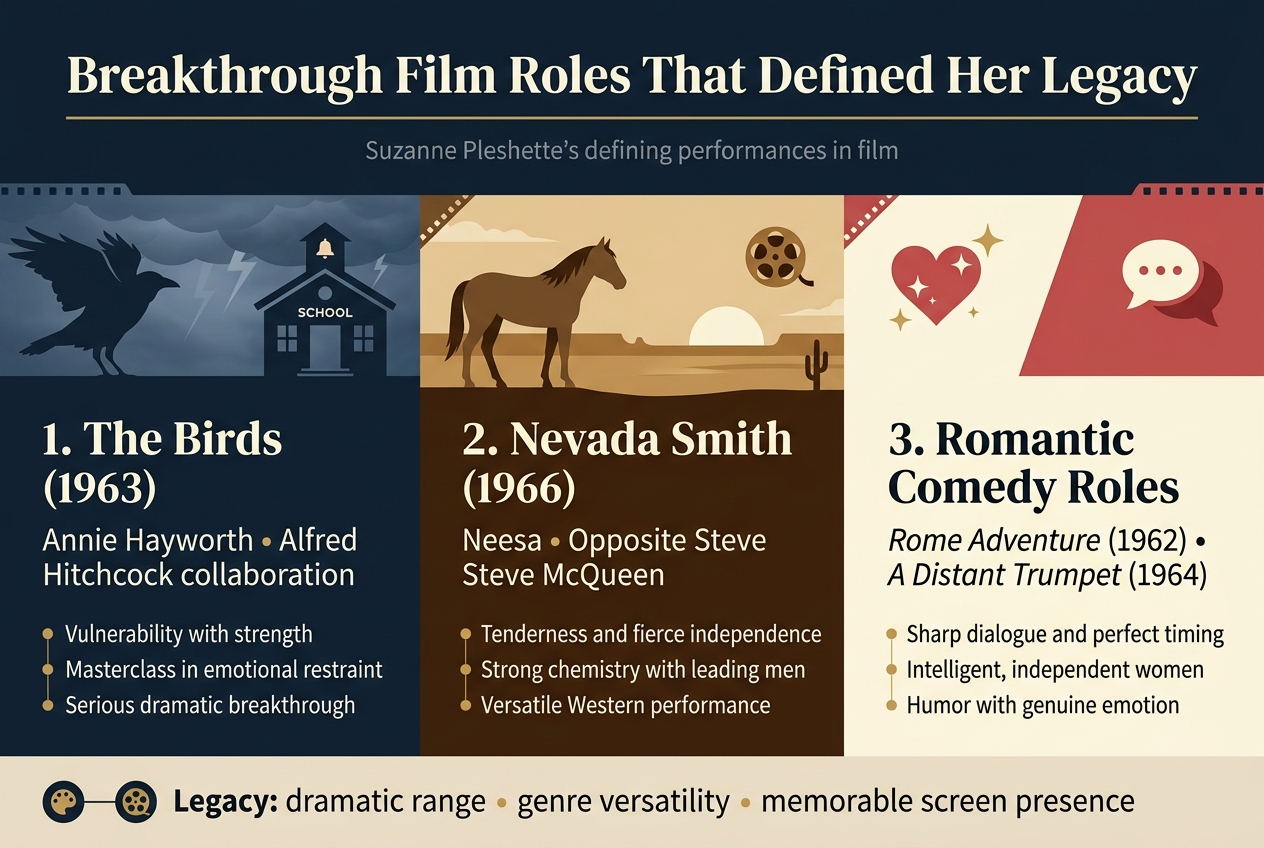
Suzanne Pleshette’s career took a pivotal turn when she landed the role of Annie Hayworth in Alfred Hitchcock’s 1963 thriller “The Birds.” This collaboration with the master of suspense showcased her dramatic range and established her as a serious actress capable of handling complex psychological material. As the schoolteacher caught in the mysterious bird attacks plaguing Bodega Bay, Pleshette delivered a nuanced performance that balanced vulnerability with strength.
Working under Hitchcock’s meticulous direction taught Pleshette invaluable lessons about screen presence and emotional restraint. The film’s success opened doors to more sophisticated roles and demonstrated her ability to hold her own alongside established stars like Tippi Hedren and Rod Taylor. Her portrayal of Annie’s quiet dignity in the face of both supernatural terror and romantic disappointment became a template for many of her future characters.
The technical challenges of filming with trained birds and special effects sequences pushed Pleshette to develop new acting skills that would serve her throughout her career. Her work in “The Birds” remains a masterclass in subtle emotional expression, proving that she could command attention without melodrama or overstatement.
Nevada Smith and Western Genre Excellence
Pleshette’s venture into the Western genre with 1966’s “Nevada Smith” opposite Steve McQueen revealed her versatility as an actress. Playing Neesa, a half-Kiowa woman who becomes romantically involved with McQueen’s revenge-seeking protagonist, she brought depth and authenticity to what could have been a stereotypical role.
Her performance in “Nevada Smith” demonstrated her ability to adapt to different genres while maintaining her distinctive screen presence. The film required her to convey both tenderness and fierce independence, qualities that became hallmarks of her acting style. Working alongside McQueen, one of Hollywood’s biggest stars at the time, she held her ground and created a memorable character that transcended typical Western female roles.
The success of “Nevada Smith” at the box office proved that Pleshette could draw audiences in action-oriented films as effectively as in psychological thrillers. Her portrayal of Neesa’s complex relationship with Nevada Smith added emotional weight to the revenge narrative and showcased her chemistry with leading men across different character types.
Romantic Comedy Performances That Captivated Audiences
Pleshette’s natural wit and timing made her a standout performer in romantic comedies throughout the 1960s and 1970s. Her ability to deliver sharp dialogue with perfect comedic timing while maintaining character authenticity set her apart from many of her contemporaries. Films like “Rome Adventure” (1962) and “A Distant Trumpet” (1964) highlighted her talent for balancing humor with genuine emotional moments.
Her romantic comedy work often featured her as the intelligent, independent woman who could match wits with her male co-stars. This screen persona resonated with audiences during a time when women’s roles were evolving both on and off screen. Pleshette’s characters were never passive romantic interests but active participants who drove plot development and provided memorable one-liners.
The actress’s comedic instincts were particularly evident in her ability to find humor in everyday situations while avoiding broad physical comedy or stereotypical behavior. Her performances in these lighter films laid the groundwork for her later television success, where her comedic skills would become even more refined and celebrated.
Television Career Dominance and Memorable Characters
The Bob Newhart Show as Emily Hartley
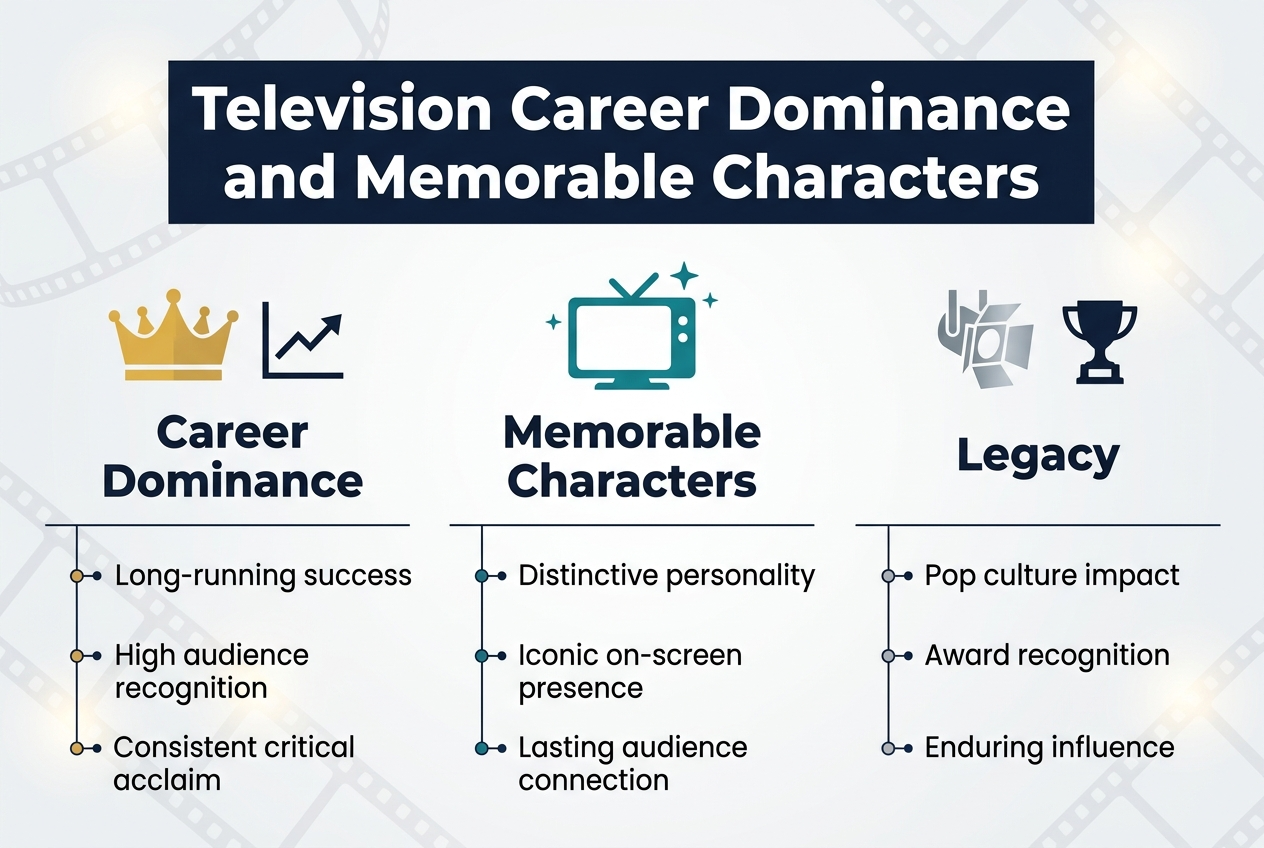
Suzanne Pleshette transformed television comedy with her portrayal of Emily Hartley, the smart, sophisticated wife of psychologist Bob Hartley on “The Bob Newhart Show” from 1972 to 1978. Emily wasn’t your typical sitcom wife – she was an independent, working woman who taught elementary school and possessed a sharp wit that perfectly complemented Bob’s deadpan humor. Pleshette brought depth and authenticity to the role, creating a character who was both supportive and strong-willed.
Her chemistry with Bob Newhart became legendary, establishing one of television’s most believable marriages. Emily’s responses to Bob’s quirky patients and his professional mishaps were delivered with Pleshette’s signature dry humor and impeccable timing. The character broke new ground by showing a marriage between equals, where Emily often provided the voice of reason while maintaining her own career and interests.
Pleshette’s performance earned her Emmy nominations and cemented her status as a television icon. Her husky voice and sophisticated delivery made Emily memorable, and the show’s success ran for six seasons, proving that audiences craved intelligent comedy featuring realistic relationships. The role remains Pleshette’s most recognized television work and showcased her ability to balance comedy with genuine emotional moments.
Guest Starring Roles Across Popular Series
Pleshette’s television career extended far beyond her starring role, with memorable guest appearances spanning decades across diverse genres. She brought her distinctive presence to anthology series like “Alfred Hitchcock Presents” and “The Twilight Zone,” demonstrating her range in dramatic roles that highlighted her ability to create tension and intrigue.
Her appearances on variety shows and talk shows revealed another facet of her personality – the charming, quick-witted entertainer who could hold her own with hosts like Johnny Carson and Dick Cavett. These appearances often featured her discussing her film work while showcasing the humor and intelligence that made her such a compelling screen presence.
Later in her career, Pleshette made strategic guest appearances on popular series including “Will & Grace,” “8 Simple Rules,” and “Good Morning Miami.” These roles proved she could adapt to changing television landscapes while maintaining her distinctive style. Her guest work on “Newhart” in the 1990s, where she reprised aspects of her Emily Hartley persona, created one of television’s most celebrated series finales and reminded audiences why she remained such a beloved figure.
Made-for-TV Movies That Showcased Range
Television movies provided Pleshette with opportunities to tackle more substantial dramatic roles than typical series television allowed. Throughout the 1970s and 1980s, she starred in numerous made-for-TV films that explored complex characters dealing with serious social issues. “Rage” (1980) saw her playing a mother coping with family trauma, while “Blackout” (1978) showcased her in a suspenseful thriller role.
These projects allowed Pleshette to demonstrate her dramatic chops, moving away from comedy to explore characters facing real-world challenges. She excelled at playing women of strength and complexity, often portraying characters dealing with family crises, professional challenges, or social issues. Her performances in these films were marked by emotional honesty and compelling character development.
The television movie format suited Pleshette’s talents perfectly, offering her leading roles with substantial screen time to develop nuanced performances. Productions like “The Night the City Screamed” and “Fantasies” proved she could carry dramatic narratives while maintaining the screen presence that made her a star. These films expanded her television legacy beyond comedy, establishing her as a versatile performer capable of handling any genre with skill and authenticity.
Personal Life Insights and Relationship Highlights
Marriage to Troy Donahue and Hollywood Romance
Suzanne Pleshette’s first marriage to teen heartthrob Troy Donahue in 1964 captured significant media attention, representing one of Hollywood’s most talked-about unions of the era. Both actors were at the height of their careers, with Donahue’s blonde good looks and Pleshette’s sophisticated beauty making them a picture-perfect couple for magazine covers. Their romance began on the set of “Rome Adventure” in 1962, where their on-screen chemistry translated into real-life attraction.
The marriage lasted only eight months, ending in divorce in 1964. Despite its brief duration, the relationship provided valuable insights into Pleshette’s approach to love and career balance. She later reflected that the intense media scrutiny and conflicting career demands made maintaining a genuine connection challenging. The experience taught her important lessons about protecting her personal life from the pressures of Hollywood’s spotlight.
Long-lasting Union with Tom Poston
Pleshette found lasting happiness with actor Tom Poston, whom she married in 2001 after a friendship spanning several decades. Their relationship began in the 1960s when both appeared on “The Bob Newhart Show,” though romantic feelings developed much later. Poston, known for his comedic roles and appearances on game shows, shared Pleshette’s wit and understanding of the entertainment industry’s demands.
Their marriage represented a mature love built on mutual respect, shared experiences, and genuine friendship. The couple enjoyed a quiet, stable relationship away from the Hollywood spotlight, often spending time at their homes in Los Angeles and Connecticut. Poston’s death in 2007 deeply affected Pleshette, who spoke fondly of their partnership as one of life’s greatest gifts. She frequently mentioned how their shared sense of humor and professional understanding created an ideal foundation for their relationship.
Friendship Circles Within Entertainment Industry
Pleshette cultivated lasting friendships throughout Hollywood, particularly with fellow actors who shared her professional values and personal integrity. Her closest relationships often developed through repeated collaborations, such as her enduring friendship with Bob Newhart and his wife Ginnie. The Newharts became like family to Pleshette, with their bond extending far beyond professional obligations.
She maintained connections with co-stars from various projects, including relationships formed during her Broadway years. Her friend circle included both established stars and emerging talent, as she enjoyed mentoring younger actors while learning from veteran performers. Pleshette’s reputation for loyalty and discretion made her a trusted confidante for many industry figures facing personal or professional challenges.
Notable friendships included relationships with:
- Bob and Ginnie Newhart (lifelong close friends)
- Fellow theater actors from her New York days
- Co-stars from her various television appearances
- Industry professionals who appreciated her professionalism
Private Life Balance with Public Career Demands
Pleshette masterfully managed the delicate balance between her public persona and private life, carefully controlling what aspects of her personal world she shared with the media. She understood early in her career that maintaining some mystery and privacy actually enhanced her professional appeal while protecting her emotional well-being.
Her approach involved setting clear boundaries about interviews and public appearances. She willingly discussed her craft, career choices, and professional relationships but kept details about her personal struggles, family matters, and intimate relationships largely private. This strategy allowed her to maintain authenticity in her public interactions while preserving space for genuine personal relationships.
The actress developed coping mechanisms for handling fame’s pressures, including maintaining homes away from Hollywood’s center and cultivating interests outside the entertainment industry. She enjoyed reading, traveling, and spending time with non-industry friends who treated her as a person rather than a celebrity. This balanced approach contributed to her longevity in Hollywood and her reputation as a grounded, professional performer who never let success compromise her values or personal relationships.
Acting Style and Professional Techniques That Set Her Apart
Distinctive Voice and Delivery Methods
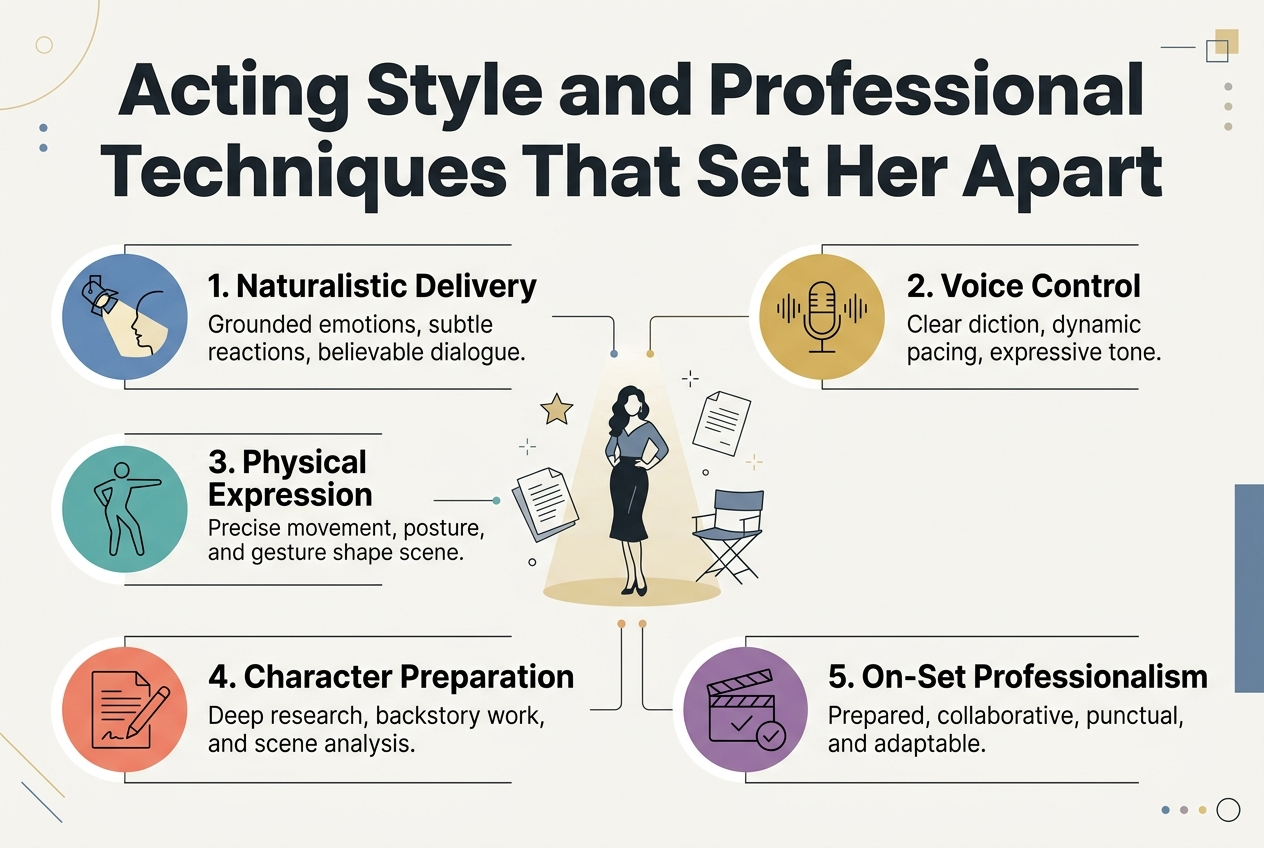
Suzanne Pleshette possessed one of the most recognizable voices in entertainment history. Her deep, sultry tone became her trademark, setting her apart from her contemporaries who often relied on higher, breathier vocal qualities. This distinctive voice wasn’t just natural talent – Pleshette understood how to modulate it for maximum impact. She could deliver cutting one-liners with razor-sharp precision or soften her tone for intimate dramatic moments.
Her delivery style emphasized naturalistic phrasing over theatrical projection. Unlike many actresses of her era who came from stage backgrounds and carried that larger-than-life energy into their screen work, Pleshette mastered the subtle art of understatement. She never oversold a line or gesture, trusting her material and her instincts to carry the emotional weight.
The actress developed a signature approach to dialogue that made even mundane conversations feel significant. She had an innate understanding of rhythm and pacing, knowing exactly when to pause for effect or when to rush through a line to create urgency. This mastery of vocal dynamics allowed her to dominate scenes without appearing to try too hard.
Character Development Approach and Preparation
Pleshette approached each role with methodical preparation that went beyond simply memorizing lines. She invested time in understanding her characters’ backstories, motivations, and psychological makeup. This thorough character analysis showed in her performances, where even supporting roles felt fully realized and three-dimensional.
Her preparation process involved extensive script analysis, where she would mark not just her own dialogue but study how her character’s words affected others in scenes. She believed that understanding the relationships between characters was just as important as understanding her individual role. This collaborative mindset made her a favorite among directors and fellow actors.
The actress also paid careful attention to physicality and mannerisms. She would develop specific gestures, posture, and movement patterns for each character. These physical choices weren’t random – they supported the psychological profile she had created for the role. Whether playing a sophisticated socialite or a down-to-earth working woman, her physical presentation always felt authentic to the character’s world.
Comedy Timing and Dramatic Range Versatility
Comedy timing was perhaps Pleshette’s greatest professional asset. She understood that comedy isn’t just about delivering funny lines – it’s about creating the perfect setup and knowing exactly when to land the punchline. Her timing was so precise that she could make mediocre material shine and turn great material into comedic gold.
Her dramatic range was equally impressive. She could seamlessly transition from light romantic comedy to intense psychological drama within the same project. This versatility stemmed from her ability to tap into genuine emotions rather than relying on acting tricks or techniques. Whether conveying heartbreak, anger, joy, or fear, her performances felt honest and lived-in.
What made Pleshette truly special was her ability to blend comedy and drama within single scenes. She could deliver a humorous line that also revealed something profound about her character’s emotional state. This skill allowed her to bring depth to comedic roles and humanity to dramatic parts, making her characters feel like real people rather than plot devices.
Industry Recognition and Career Achievements Worth Celebrating
Award Nominations and Critical Acclaim Received
Suzanne Pleshette’s talent earned her recognition from the entertainment industry’s most prestigious organizations. She received an Emmy Award nomination for Outstanding Lead Actress in a Drama Series for her role in “The Bob Newhart Show,” cementing her status as a television powerhouse. Her performance as Emily Hartley became the gold standard for sitcom wives, balancing intelligence with warmth in ways that captivated both critics and audiences.
The Golden Globe nominations rolled in throughout her career, acknowledging her versatility across different genres. Critics consistently praised her ability to bring depth to characters that could have easily been one-dimensional. Entertainment Weekly and TV Guide regularly featured her in their “best of” lists, recognizing her contribution to quality television programming.
Her film work didn’t go unnoticed either. The Birds brought her widespread critical acclaim, with film critics praising her natural screen presence and ability to hold her own alongside established stars like Tippi Hedren and Rod Taylor. Roger Ebert specifically highlighted her performance, noting how she brought authenticity to what could have been a thankless supporting role.
Peer Recognition and Professional Respect Earned
Fellow actors consistently spoke highly of Pleshette’s professionalism and talent. Bob Newhart, her longtime co-star, frequently credited her with elevating their on-screen chemistry and making their fictional marriage believable. He often mentioned in interviews how her comedic timing was impeccable and how she could deliver a punchline with subtle perfection.
Directors loved working with her because she came prepared and brought creative ideas to every role. Alfred Hitchcock specifically chose her for The Birds after being impressed by her theater work, recognizing her ability to convey complex emotions without overacting. Her reputation for being a “director’s actor” spread throughout Hollywood, leading to consistent work offers from respected filmmakers.
Industry veterans like Johnny Carson regularly invited her to The Tonight Show, viewing her as one of the most entertaining guests. Her appearances became legendary for their wit and spontaneity. Carson himself called her “one of the sharpest people in show business,” a testament to her intelligence and quick thinking.
Lasting Impact on Television and Film History
Pleshette’s portrayal of Emily Hartley revolutionized the role of television wives. Before her, sitcom spouses were often relegated to being either nagging shrews or perfect homemakers. She created a character who was smart, supportive, and realistically flawed, paving the way for more complex female characters in television comedy.
Her influence extends to modern television writing, where her character’s dynamic with Bob Newhart is still studied as an example of perfect comedic partnership. Current sitcom writers reference the Hartley marriage when creating believable couple dynamics on screen.
The Birds remains a cornerstone of suspense cinema, and her performance continues to be analyzed in film schools. Her ability to maintain composure while conveying genuine terror influenced how actresses approach horror roles. Modern performers like Amy Adams and Jessica Chastain have cited her work as inspiration for their own dramatic performances.
Her distinctive voice became iconic, inspiring voice actors and performers who followed. The smoky, confident delivery she perfected influenced a generation of actresses who sought to capture that same sophisticated appeal.

Suzanne Pleshette’s journey from a young theater enthusiast to a beloved Hollywood icon shows us the power of versatility and dedication. Her breakthrough film roles established her as a serious dramatic actress, while her television work, especially as Emily Hartley, brought her into millions of homes and hearts. Behind the scenes, her personal relationships and professional approach revealed a woman who balanced warmth with unwavering commitment to her craft.
What truly set Pleshette apart was her ability to bring depth to every role, whether she was playing a sophisticated leading lady or a sharp-witted supporting character. Her distinctive voice and natural acting style made even the smallest moments memorable. For aspiring actors today, her career serves as a perfect example of how talent, professionalism, and the willingness to embrace different mediums can create a lasting legacy that continues to inspire new generations of performers.
