
Actors
Charles Bronson: The Legendary Hollywood Tough Guy Who Defined Action Cinema
Dec
Early Life and Humble Beginnings
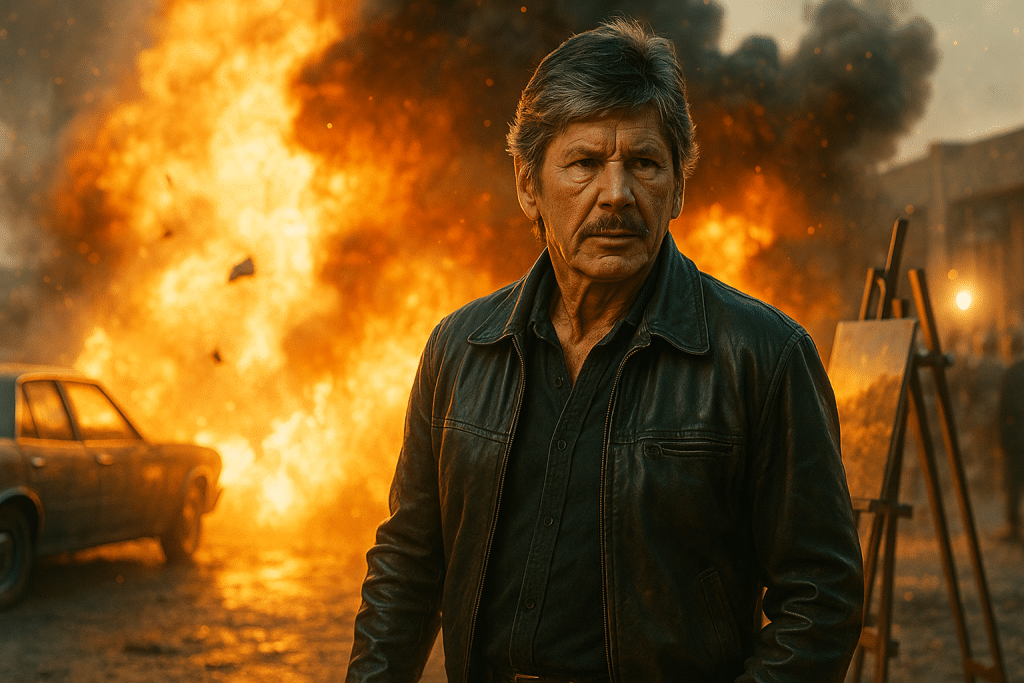
Charles Bronson wasn’t born with the famous tough-guy persona that would later make him one of Hollywood’s most recognizable faces. Born Charles Dennis Buchinsky on November 3, 1921, in Ehrenfeld, Pennsylvania, he came from incredibly modest beginnings that would shape the gritty, no-nonsense character audiences would come to love.
Growing up as one of fifteen children in a Lithuanian immigrant family, Bronson learned about hardship early. His father died when Charles was just ten years old, forcing the young boy to work in the coal mines to help support his large family. This experience in the dangerous, dark underground world of coal mining gave him the weathered face and steely determination that would become his trademark in countless Bronson movies.
The poverty and struggle of his childhood weren’t just background details – they became the foundation of his authentic tough guy image. Unlike many actors who had to manufacture their rugged personas, Bronson’s came from real-life experiences that audiences could sense through the screen.
The Making of a Tough Guy
After serving in World War II as an aerial gunner on B-29 bombers, Charles Bronson used the GI Bill to study art at the Pasadena Playhouse. This decision might seem surprising for someone who would become known for action roles, but it shows the depth and complexity that Bronson brought to his craft.
His early acting career wasn’t easy. Like many struggling actors in the 1950s, he took on small television roles and minor film roles. He appeared in shows like “The Twilight Zone” and “Gunsmoke,” slowly building his reputation as a reliable character actor who could bring authenticity to any role.
What set Bronson apart from other actors of his era was his genuine presence. Directors and casting agents quickly noticed that he didn’t need to act tough – he was tough. His years of real-world experience gave him a natural authority that came through in every performance, no matter how small the role.
Breakthrough Bronson Movies
The 1960s marked the beginning of Charles Bronson’s rise to stardom with several key Bronson movies that showcased his unique screen presence. “The Magnificent Seven” (1960) was perhaps his first breakthrough, where he played Bernardo O’Reilly alongside Steve McQueen and Yul Brynner. Though not the lead, Bronson’s performance was memorable and showed audiences a new kind of action hero.
“The Great Escape” (1963) further cemented his reputation as a reliable ensemble player. His portrayal of Danny “Tunnel King” Velinski demonstrated his ability to bring depth to supporting characters. These films were crucial in establishing the Bronson brand – a man of few words but decisive action.
“The Dirty Dozen” (1967) continued this trend, with Bronson playing Joseph Wladislaw, one of the condemned soldiers given a chance at redemption. Each of these Bronson movies built upon his growing reputation as an actor who could convey strength and reliability without saying much.
What made these early films special was their use of Bronson’s natural presence. Directors learned that his most powerful moments often came not from dialogue, but from his expressive face and commanding physical presence.
The Death Wish Era
The 1970s brought Charles Bronson his greatest fame with the “Death Wish” series, starting with the original 1974 film. This marked a significant shift in his career, moving from supporting roles to leading man status. The character of Paul Kersey, an architect-turned-vigilante, became synonymous with Bronson’s tough-guy image.
“Death Wish” wasn’t just another action movie – it tapped into real social anxieties about urban crime and personal safety. Bronson’s portrayal of a man driven to take justice into his own hands resonated with audiences who felt let down by traditional institutions. The film’s success spawned four sequels, making it one of the most successful action franchises of its time.
What made these Bronson movies work was the actor’s ability to make the vigilante character sympathetic. Despite the controversial subject matter, audiences connected with Paul Kersey because Bronson brought a sense of moral weight to the role. He wasn’t playing a superhero or a cartoon character – he was a regular person pushed to extraordinary circumstances.
The success of “Death Wish” established Bronson as a bankable leading man and proved that audiences were hungry for a straightforward, uncompromising action hero. The films were commercially successful worldwide and established Bronson as an international star.
Romance with Jill Ireland
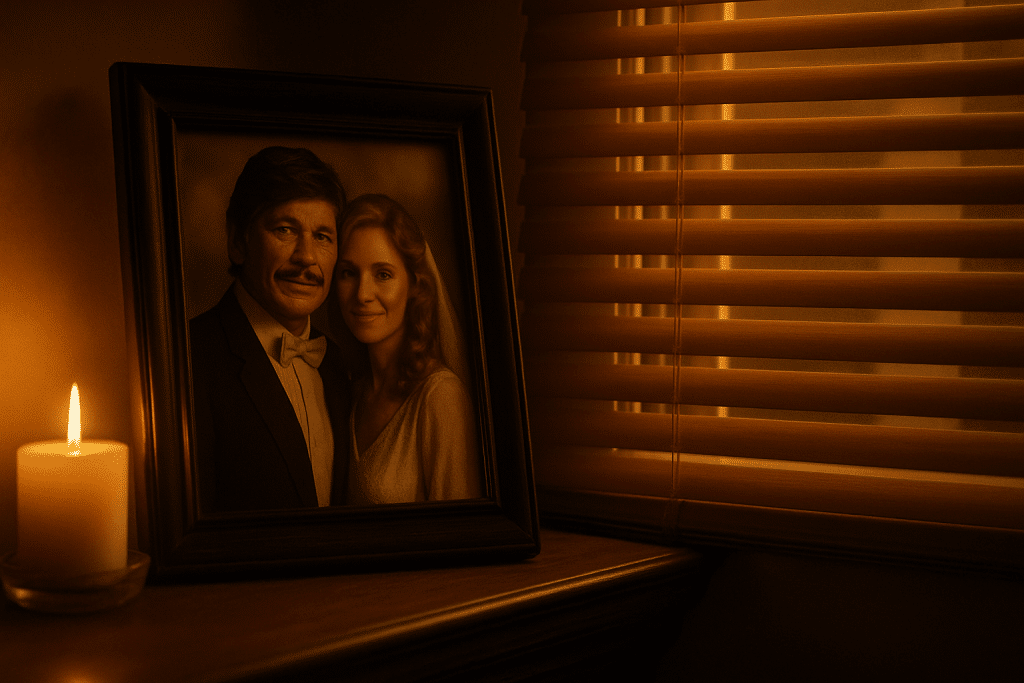
One of the most significant relationships in Charles Bronson’s life was his romance and marriage to actress Jill Ireland. Their love story began unusually – Ireland was initially married to Bronson’s friend and co-star, David McCallum. When Bronson famously told McCallum, “I’m going to marry your wife,” it seemed like a bold prediction, but it came true when Bronson and Ireland married in 1968.
Jill Ireland became not just Bronson’s wife but also his frequent co-star, appearing in numerous Bronson movies throughout the 1970s and 1980s. Films like “From Noon Till Three” (1976), “Love and Bullets” (1979), and “Assassination” (1987) featured the couple working together, bringing a real-life chemistry to their on-screen relationships.
Their partnership extended beyond professional collaboration. Ireland often described Bronson as a devoted husband who was completely different from his tough guy screen persona. At home, he was artistic, sensitive, and deeply caring. He painted and sculpted, showing a creative side that few people associated with his public image.
The couple’s relationship faced its most significant test when Jill Ireland was diagnosed with breast cancer in 1984. Bronson stood by her throughout her battle with the disease, showing the same loyalty and strength in real life that he portrayed on screen. Ireland’s death in 1990 devastated Bronson, and many who knew him said he never fully recovered from the loss.
International Stardom
While Charles Bronson was building his reputation in American cinema, he was simultaneously becoming a massive star in Europe. European directors, particularly in Italy and France, recognized his unique screen presence and cast him in leading roles before Hollywood fully embraced him as a leading man.
Films like “Once Upon a Time in the West” (1968), directed by Sergio Leone, showcased Bronson in what many consider his finest role. Playing the mysterious harmonica-playing gunslinger, he delivered a performance of subtle intensity that proved he could carry a film as the central character. This role demonstrated his ability to convey complex emotions with minimal dialogue, a skill that would define many of his best Bronson movies.
His popularity in Europe led to numerous international productions throughout the 1970s. European audiences seemed to appreciate his understated acting style and authentic presence more than American audiences initially did. This global success eventually helped boost his profile back home, contributing to his rise to leading man status in Hollywood.
The global appeal of Charles Bronson came from his universal portrayal of strength and integrity. Language barriers didn’t matter when his presence alone could convey everything audiences needed to know about his character. This made him particularly effective in international co-productions and helped establish him as a worldwide star.
Later Career and Legacy
As Charles Bronson aged, he continued working steadily through the 1980s and 1990s, though the quality of his projects varied. While some of his later Bronson movies went straight to video or were lower-budget productions, he remained a draw for action movie fans who appreciated his consistent screen presence.
Films like “10 to Midnight” (1983) and “Murphy’s Law” (1986) showed that even in smaller productions, Bronson could still command the screen. His tough-guy persona remained intact, though he began to show greater vulnerability and complexity in his later roles.
One of the remarkable aspects of Bronson’s career was his work ethic. Even as he aged and dealt with personal tragedies, including the loss of Jill Ireland, he continued working. Acting seemed to provide him with both purpose and distraction from life’s difficulties.
His later career also showed his willingness to work with young directors and in different genres. While he never strayed far from action films, he brought his experience and professionalism to every project, regardless of budget or scope.
Personal Life and Character
Away from the cameras, Charles Bronson was known for being intensely private and quite different from his screen persona. Friends and colleagues often described him as thoughtful, artistic, and surprisingly gentle. This contrast between his public tough guy image and his private personality made him even more intriguing to fans and the media.
Bronson was an accomplished artist who painted and sculpted throughout his life. His artwork reflected his contemplative side, featuring landscapes and portraits that revealed his sensitivity and keen observation. This artistic pursuit provided him with an outlet that was completely separate from his acting career.
He was also known for his generosity, particularly toward his family and close friends. Despite growing up in poverty, success never changed his fundamental values. He remained connected to his working-class roots and was known to help family members and old friends who were struggling financially.
His relationship with fame was complicated. While he appreciated the opportunities his success brought, he never seemed entirely comfortable with celebrity culture. He preferred his privacy and was known for avoiding Hollywood social scenes, instead focusing on his work and family life.
Impact on Action Cinema
Charles Bronson’s influence on action cinema extends far beyond his individual Bronson movies. He helped establish a template for the strong, silent action hero that influenced countless actors and filmmakers who came after him. His approach to playing tough characters – with minimal dialogue and maximum presence – became a blueprint that’s still used today.
The success of his vigilante films, particularly the “Death Wish” series, opened the door for similar movies throughout the 1980s and beyond. His portrayal of ordinary people forced into extraordinary circumstances by crime and injustice resonated with audiences and influenced numerous filmmakers to explore similar themes.
Modern action stars from Sylvester Stallone to Liam Neeson have acknowledged Bronson’s influence on their work. His ability to convey strength and determination without relying on special effects or elaborate stunts showed that compelling action cinema could be built on character and presence rather than just spectacle.
The tough guy archetype that Bronson perfected continues to appear in contemporary films, television shows, and other media. His influence is evident in everything from superhero movies to crime dramas, showing that his approach to screen presence remains relevant and robust.
Remembering the Icon
When Charles Bronson passed away in 2003, the entertainment world lost not just an actor, but an icon who had defined a particular type of screen heroism for multiple generations. His death marked the end of an era in action cinema, as he was one of the last connections to a time when movie stars could build entire careers on presence and authenticity rather than marketing and special effects.
Looking back at his filmography, what stands out is the consistency of his performances. Whether in major studio productions or smaller independent films, Bronson brought the same level of commitment and professionalism to every role. This consistency helped build trust with audiences who knew they could count on him to deliver exactly what they expected.
His Bronson movies continue to find new audiences through television broadcasts, streaming services, and home video releases. Young viewers discovering his films for the first time are often surprised by how modern his acting style feels, proving that authentic screen presence never goes out of style.
The legacy of Charles Bronson reminds us that sometimes the most powerful performances come not from what an actor says, but from who they are. His journey from coal miner to international movie star represents a unique American story of perseverance and authenticity that continues to inspire both actors and audiences today.
Ready to explore more classic action cinema? Please share your favorite Charles Bronson movie in the comments below, or browse our collection of classic film reviews to discover your next movie night pick. Don’t forget to subscribe to our newsletter for more deep dives into Hollywood’s legendary performers!
