
Actors
Harry Morgan: The Character Actor Who Became a Television Legend
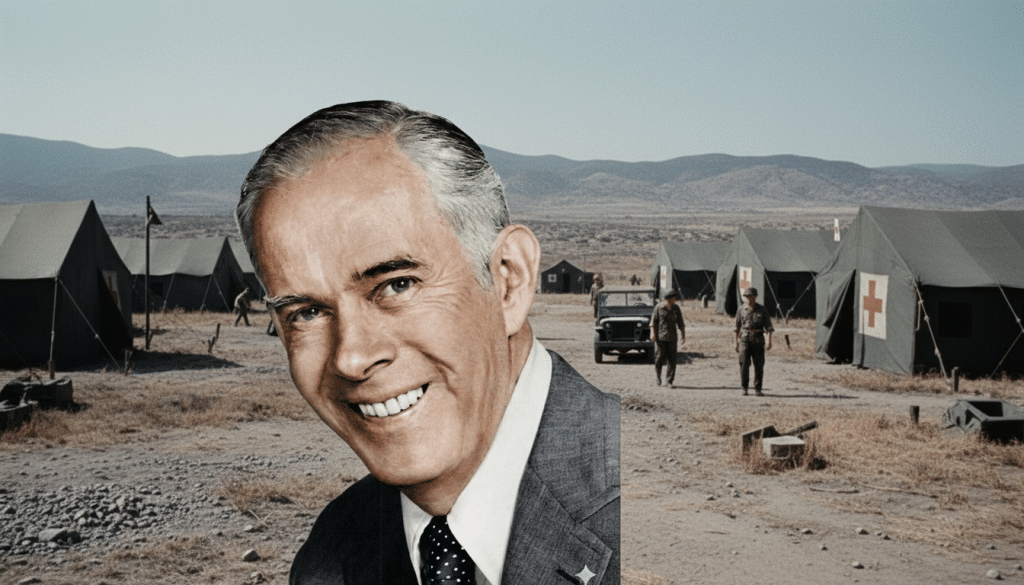
Harry Morgan built one of the most recognizable careers in television history, captivating audiences for over five decades with his distinctive acting style and memorable characters. This guide is perfect for classic TV fans, aspiring actors studying character development, and anyone curious about the golden age of television.
We’ll explore Morgan’s breakthrough television performances that made him a household name, examine his unique approach to bringing complex characters to life, and discuss how his work shaped modern television drama. You’ll discover why this talented performer remains one of the most respected character actors in entertainment history.
Early Life and Career Beginnings
Childhood and formative years in Detroit
Harry Morgan was born Harry Bratsburg on April 10, 1915, in Detroit, Michigan, to Norwegian immigrant parents who instilled strong work values in their son. Growing up in a working-class neighborhood during the challenging economic times of the 1920s and early 1930s, Morgan learned early on about perseverance and adaptability. His father worked as a mechanic while his mother managed the household, creating a stable foundation that would serve Morgan well throughout his entertainment career.
The young Harry Morgan showed an early interest in performance and storytelling, participating in school plays and local community theater productions during high school. Detroit’s vibrant cultural scene during this period exposed him to various forms of entertainment, from vaudeville shows to early radio programs. These experiences sparked his fascination with character work and with bringing stories to life through performance.
Morgan’s formative years were marked by keen observation and a natural ability to mimic different personalities and speech patterns. Friends and family often noted his talent for capturing the essence of people he encountered, a skill that would become his trademark as a character actor. His blue-collar upbringing gave him an authentic understanding of everyday American life that would later inform many of his most memorable television roles.
Military service and World War II experience
When World War II broke out, Morgan enlisted in the United States Air Force, serving with distinction from 1942 to 1946. His military service profoundly shaped his character and gave him firsthand experience of military life, discipline, and camaraderie that proved invaluable in his later portrayals of military characters, most notably Colonel Potter in M*A*S*H.
During his service, Harry Morgan was stationed at various bases across the United States, where he organized and participated in entertainment programs for fellow servicemen. These experiences allowed him to hone his performance skills while serving his country. He developed a deep appreciation for the military chain of command, the importance of teamwork, and the unique bonds formed between soldiers under pressure.
The war years taught Morgan about leadership, responsibility, and the delicate balance between authority and compassion—qualities that would become hallmarks of many of his television characters. His military background gave him authentic insight into the mindset of career military officers, enabling him to bring depth and credibility to roles that require an understanding of military protocol and the psychology of command.
Transition from radio to television acting
After returning from military service, Morgan initially pursued opportunities in radio broadcasting, which was still a dominant entertainment medium in the late 1940s. His distinctive voice and natural timing made him well-suited for radio drama and comedy programs. He worked on various radio shows, learning the craft of audio storytelling and developing his ability to convey character purely through vocal performance.
As television emerged as the new entertainment medium in the early 1950s, Morgan recognized its potential and transitioned from radio to television acting. His radio experience had taught him the importance of clear character definition and precise delivery, skills that translated beautifully to the small screen.
Morgan’s background in radio gave him a unique advantage in early television production, where actors often had to work with minimal sets and limited technical resources. His ability to create compelling characters through subtle vocal inflections and facial expressions, combined with his professional work ethic developed during his radio days, made him an ideal candidate for the demanding pace of live television production.
First breakthrough roles in early TV shows
Morgan’s television career gained momentum with guest appearances on anthology series such as “Studio One” and “Philco Television Playhouse” in the early 1950s. These dramatic showcases allowed him to demonstrate his range and reliability as a character actor, leading to more substantial recurring roles on various programs.
His first significant television breakthrough came with his role as Pete Porter on “December Bride” in 1954, where he played the frequently mentioned but rarely seen neighbor. This role showcased his ability to create a memorable character with limited screen time, establishing him as a dependable supporting player who could bring depth to seemingly minor parts.
Morgan’s early television work demonstrated his versatility across genres, from crime dramas to situational comedies. He appeared on shows like “Dragnet,” where he worked alongside Jack Webb, beginning a professional relationship that would span decades. These early roles established Morgan’s reputation as a consummate professional who could adapt to different production styles and character requirements while maintaining his authentic, naturalistic acting approach.
Iconic Television Performances
Colonel Sherman Potter in M*A*S*H
Harry Morgan’s portrayal of Colonel Sherman Potter stands as one of television’s most beloved commanding officers. Taking over the role in Season 4 after McLean Stevenson’s departure, Morgan brought a completely different energy to the 4077th Mobile Army Surgical Hospital. Where Henry Blake had been bumbling and childlike, Potter was wise, experienced, and thoroughly competent.
Harry Morgan drew on his military experience to create a character that felt authentic. Potter was a career army officer who understood both the brutality of war and the need for humor to survive it. His famous catchphrase “Horse hockey!” became iconic, capturing his no-nonsense attitude while remaining family-friendly. The character’s background as a veterinarian added another layer, showing his deep respect for all life.
The relationship between Potter and the other characters evolved beautifully throughout the series. He served as a father figure to Hawkeye and B.J., while maintaining Winchester’s respect and keeping order amid Klinger’s schemes. Morgan’s chemistry with Alan Alda was powerful, creating some of the show’s most memorable dramatic moments.
Potter’s horse, Sophie, became a recurring element that showcased Morgan’s ability to find humor in everyday military life. His painting hobby and stories about his wife, Mildred, added depth to what could have been a one-dimensional military stereotype.
Officer Bill Gannon in Dragnet
Harry Morgan’s partnership with Jack Webb in Dragnet created one of television’s most effective police duos. As Officer Bill Gannon, Morgan played the perfect counterpoint to Webb’s stoic Joe Friday. Where Friday was all business and facts, Gannon brought warmth, humor, and humanity to their investigations.
The character’s love of food became a defining trait that Morgan played to perfection. Gannon’s detailed descriptions of his wife’s cooking and his enthusiasm for trying new restaurants provided comic relief without undermining the show’s serious tone. These moments revealed Morgan’s gift for finding comedy in the mundane details of everyday life.
Harry Morgan’s chemistry with Webb was remarkable considering their different acting styles. Webb preferred precise, almost robotic delivery, while Morgan brought a more naturalistic approach. This contrast made their partnership feel genuine and lived-in. Gannon’s occasional frustrated reactions to Friday’s intensity created some of the show’s funniest moments.
The revival series allowed Morgan to show Gannon’s growth as an officer while maintaining the character’s essential warmth. His ability to question witnesses with both authority and compassion demonstrated Morgan’s range as a dramatic actor.
Pete Porter in December Bride and Pete and Gladys
Before becoming a household name in M*A*S*H, Morgan created one of television’s most memorable supporting characters in Pete Porter. Originally appearing as the next-door neighbor on December Bride, Pete was the harried husband constantly dealing with his unseen wife, Gladys. Morgan’s performance was so popular that CBS gave the character his own spin-off series.
Pete Porter showcased Morgan’s exceptional talent for physical comedy and timing. The character’s exasperated reactions to Gladys’s off-screen antics became a masterclass in reactive acting. Morgan had to convey an entire relationship dynamic while essentially performing alone, relying on his expressions and delivery to sell the invisible character of Gladys.
When Pete and Gladys premiered, Morgan finally got to work opposite Cara Williams as his on-screen wife. The show revealed the dynamic that had only been hinted at in December Bride. Pete was a well-meaning but perpetually confused husband who loved his wife despite her tendency to drag him into complicated situations.
Harry Morgans portrayal of Pete Porter established many of the traits that would define his later work: a long-suffering yet fundamentally decent man trying to maintain his sanity in chaotic circumstances. The role demonstrated his versatility, showing he could carry a series as a lead while excelling in ensemble pieces.
Acting Style and Character Development
Mastery of both comedy and drama
Harry Morgan possessed an extraordinary range that allowed him to seamlessly transition between comedic and dramatic performances, often within the same episode. His work on MASH perfectly demonstrated this versatility, in which Colonel Potter could deliver a heartfelt speech about the horrors of war one moment and crack a perfectly timed joke the next. Morgan understood that great acting comes from truth, whether that truth is found in laughter or tears.
His comedic timing was impeccable, built on decades of experience in radio and early television. He knew exactly when to pause for effect, when to raise an eyebrow, and when to deliver a line with deadpan precision. Yet his dramatic moments never felt forced or out of character. When Colonel Potter had to deliver difficult news or make tough decisions, Harry Morgan’s face would transform, showing the weight of responsibility without losing the character’s essential humanity.
This dual mastery stemmed from Harry Morgan’s understanding that comedy and drama aren’t opposites but different expressions of the human experience. He never played for laughs at the expense of emotional truth, nor did he allow dramatic moments to become overly sentimental. This balance made his characters feel real and relatable.
Ability to portray authority figures with warmth
Morgan had a unique gift for making authority figures approachable and likable without undermining their credibility. Colonel Potter commanded respect not through intimidation but through genuine care for his subordinates. Morgan’s portrayal showed that authentic leadership comes from understanding people, not controlling them.
His authority figures never felt cold or distant. Whether playing a police detective or a military officer, Morgan infused these roles with paternal warmth, making viewers root for the characters. He understood that absolute authority comes from earning trust, not demanding obedience.
The key to Morgan’s success in these roles was his ability to show vulnerability beneath the tough exterior. His characters made mistakes, admitted when they were wrong, and learned from their experiences. This humility made their authority feel earned rather than imposed.
Natural chemistry with ensemble casts
Harry Morgan was the kind of actor who made everyone around him better. He listened carefully to his scene partners and responded authentically to their input. This genuine engagement created believable relationships that audiences could invest in emotionally.
His collaborative spirit shone through in every ensemble he joined. On MAS*H, he fit seamlessly into an already established group dynamic, bringing his own energy while respecting what the other actors had built. He never tried to steal scenes; instead, he worked to support the overall story.
Morgan’s generosity as a performer extended beyond the camera. Cast members consistently praised his professionalism and willingness to help newer actors find their footing. This behind-the-scenes support translated into on-screen chemistry that felt natural and lived-in.
Distinctive voice and delivery techniques
Morgan’s voice was instantly recognizable – gravelly, warm, and perfectly modulated for both intimate conversations and commanding speeches. He used his vocal instrument with precision, varying his tone, pace, and volume to serve the character and the moment.
His delivery style was conversational yet authoritative. He never sounded like he was reciting lines, but instead like he was speaking thoughts that had just occurred to him. This natural quality made even exposition feel organic and believable.
Harry Morgan also mastered the art of subtext, saying one thing while clearly meaning another. His facial expressions and vocal inflections often conveyed more than his actual words, creating layers of meaning that rewarded careful viewing. This subtlety made his performances rich and rewarding to revisit.
Career Longevity and Professional Evolution
Successful transition between different TV eras
Harry Morgan’s career spanned an incredible transformation in television, from the Golden Age of the 1950s through the modern era of the 1990s. When television was still finding its footing as a medium, Morgan was already establishing himself as a reliable character actor. He moved seamlessly from the anthology dramas of early TV to the situation comedies that defined the 1960s, and later to the sophisticated dramedy format that made MAS*H such a groundbreaking show.
His ability to adapt wasn’t just about surviving industry changes; he thrived through each transition. While many actors from the early television era struggled with the shift from live broadcasts to filmed productions, Morgan embraced the new techniques and technologies. He understood that each era demanded different acting approaches, adjusting his performances from the theatrical style of early TV to the more naturalistic approach that became standard in later decades.
Adaptation to changing television formats
Harry Morgan demonstrated remarkable flexibility across various television formats throughout his career. He excelled in anthology series like “December Bride,” where each episode required him to establish character relationships quickly and effectively. When sitcoms evolved from simple domestic comedies to more complex character-driven shows, Morgan adapted his comedic timing accordingly.
His work on “Dragnet” showcased his ability to handle procedural drama, a format that was becoming increasingly popular. The show’s distinctive style – with its rapid-fire dialogue and documentary-like approach – required actors to deliver exposition naturally while maintaining dramatic tension. Morgan mastered this balance, making technical police jargon sound conversational and believable.
When M*A*S*H revolutionized television by blending comedy with serious dramatic elements, Harry Morgan again proved his versatility. The show’s format allowed for everything from broad physical comedy to deeply emotional dramatic moments, sometimes within the same episode. His portrayal of Colonel Potter required him to be authoritative yet compassionate, humorous yet dignified – a complex performance that helped define what television drama could achieve.
Consistent work across multiple decades
Morgan’s work ethic and professionalism kept him employed consistently from the 1940s through the 1990s. While many actors experience career peaks and valleys, Morgan maintained steady employment by building a reputation as a director and producer whom others could count on. He appeared in guest roles on numerous series, often returning to the same shows multiple times because casting directors knew he could elevate any script.
His approach to supporting roles was as committed as his work in starring roles. Whether appearing in a single episode of “The Love Boat” or guest-starring on “Murder, She Wrote,” Harry Morgan brought the same level of preparation and professionalism. This consistency made him a favorite among television crews and helped him secure work across multiple networks and production companies.
The longevity of his career also reflected his ability to play a variety of character types convincingly. He could portray stern authority figures, bumbling comedic characters, wise mentors, or dangerous villains with equal skill. This range kept casting directors interested in his services across different genres and decades, making him one of television’s most dependable performers.
Legacy and Impact on Television History
Influence on future character actors
Harry Morgan blazed a trail for character actors in television, proving that supporting players could become beloved stars in their own right. His ability to embody distinct personalities across different shows inspired countless performers who followed. Morgan’s approach to character development – finding the humanity in even the most rigid or comical figures – became a masterclass for actors studying their craft. His portrayal of Colonel Potter on M*A*S*H particularly influenced how military characters were written and performed, moving beyond stereotypical tough-guy roles to show nuanced leadership with warmth and wisdom.
Young actors studying Harry Morgan’s work learned valuable lessons about consistency and authenticity. He never played the same character twice, even when switching between comedy and drama within the same role. This versatility opened doors for character actors who might have been typecast in earlier eras of television. Morgan showed that supporting characters could carry emotional weight and drive storylines just as effectively as leading men.
Contribution to classic television comedy
Morgan’s timing and delivery helped define television comedy during its golden age. His dry wit and ability to find humor in everyday situations made him a key part of several successful comedies. On “December Bride,” he mastered the art of the slow burn, building laughs through subtle reactions and perfectly timed responses. This style influenced how ensemble comedy evolved throughout the medium’s development.
His work demonstrated that comedy didn’t require over-the-top antics or broad physical humor. Morgan could get laughs with a raised eyebrow or a deadpan delivery that felt completely natural. This restraint became a hallmark of sophisticated television comedy, influencing writers and performers who sought to create more realistic, relatable humor.
The chemistry Harry Morgan developed with his co-stars, particularly with Spring Byington and later with the MAS*H ensemble, demonstrated how supporting characters could enhance the comedy of the lead performers while maintaining their own comedic identities.
Recognition and awards throughout his career
Harry Morgan’s talent earned recognition from both industry peers and audiences throughout his decades-long career. He received an Emmy Award for Outstanding Supporting Actor in a Comedy Series for his role as Colonel Potter, validating his transition from character actor to beloved television icon. This recognition came after years of consistent, high-quality performances that had established him as one of television’s most reliable performers.
Beyond formal awards, Morgan received widespread critical acclaim for his ability to bring depth to characters that could have been one-dimensional. Television critics consistently praised his performances, noting how he elevated material through his commitment to finding truth in every role. His peers in the industry respected his professionalism and craft, which led to his frequent casting in high-quality productions.
The entertainment industry honored Morgan’s contributions with various lifetime-achievement awards, acknowledging not only individual performances but also his overall impact on television as an art form.
The enduring popularity of his most famous roles
Decades after their original broadcasts, Morgan’s most memorable characters continue to resonate with new generations of viewers. Colonel Potter remains one of television’s most beloved authority figures, striking a balance between military discipline and fatherly compassion that feels timeless. Syndication and streaming services have introduced these performances to audiences who weren’t born when the shows originally aired.
The lasting appeal of these characters speaks to Harry Morgan’s skill in creating universal human qualities within specific roles. His performances captured emotions and relationships that transcend their original time periods, making them relevant to contemporary audiences. Fan communities celebrate his work through online discussions, convention panels, and retrospective analyses that sustain his legacy.
Television historians and critics continue to reference Morgan’s performances when discussing the evolution of character acting and ensemble storytelling. His influence extends beyond entertainment into academic studies of television’s cultural impact, cementing his place in the medium’s history.
Harry Morgan’s journey from his early days in radio to becoming one of television’s most beloved character actors shows how dedication and versatility can create a lasting career. His ability to bring depth to supporting roles, whether as the stern but caring Colonel Potter in M*A*S*H or the reliable Joe Friday’s partner in Dragnet, proved that memorable performances don’t always come from leading roles. Morgan understood that great television happens when every character feels authentic and lived-in, and he delivered that authenticity for decades.
What made Harry Morgan special wasn’t just his longevity in Hollywood but also his ability to adapt to television’s changing landscape while staying true to his craft. He helped define what quality television acting could look like, showing that small-screen performances deserved the same respect as film work. For aspiring actors today, Morgan’s career serves as a reminder that building a reputation on reliability, professionalism, and genuine character work can create opportunities that last a lifetime. His influence continues to shape how we think about ensemble acting and the importance of every role in telling great stories.
Related Posts


Pingback: 7 Incredible Facts About Burt Lancaster: From Circus to Oscar