
First Ladies
Exploring the Lesser-Known First Ladies: Their Impact Beyond the White House
Jan
Introduction
The role of First Ladies in the United States has often been overlooked, overshadowed by the political achievements of their husbands. However, these women have played pivotal roles in supporting their spouses and shaping social, cultural, and political landscapes. This article delves into the lesser-known stories of First Ladies, highlighting their contributions and the profound impact they have had beyond the walls of the White House. From trailblazers who made history to advocates for social issues, their narratives are rich with inspiration and resilience.
The Trailblazers: First Ladies Who Made History
Elizabeth Monroe: The Hostess with the Mostess
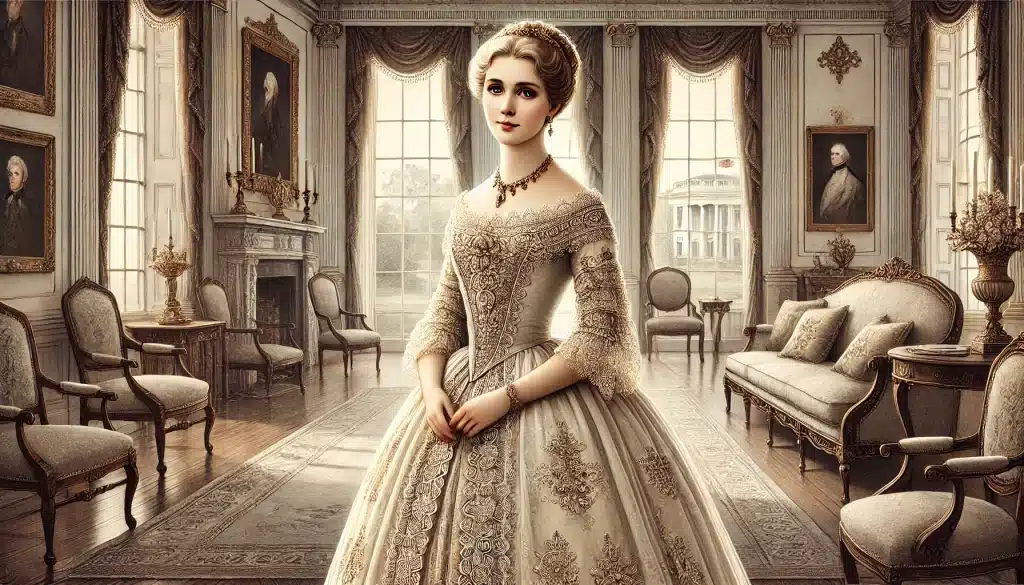
Elizabeth Monroe, the wife of James Monroe, served as First Lady from 1817 to 1825. She earned the reputation of a gracious hostess, which was crucial in an era when the role of the First Lady was still evolving. Elizabeth’s efforts in entertaining guests and promoting American culture helped establish a sense of national identity. She was instrumental in organizing events that fostered diplomatic relations and showcased American hospitality.
Beyond her role as a socialite, Elizabeth Monroe actively engaged in charity work. She supported various causes, including education for girls and establishing libraries. Her influence was particularly significant when women were often relegated to domestic roles, as she demonstrated that a First Lady could wield soft power in shaping public perception and policy.
Lou Hoover: A Champion for Women’s Rights
Lou Hoover, wife of Herbert Hoover, served as First Lady from 1929 to 1933. A trained geologist and a passionate advocate for women’s rights, Lou used her position to promote women’s involvement in public life. She organized the first-ever conference on women’s issues, emphasizing the importance of women in shaping a prosperous society. Lou Hoover’s efforts extended to supporting the Girl Scouts and other organizations that empowered young women.
Moreover, Lou’s commitment to social causes was evident in her initiatives to assist those affected by the Great Depression. She worked tirelessly to raise funds for relief efforts, showcasing a blend of traditional femininity and modern activism. Her legacy as an advocate for women’s rights resonates in discussions about gender equality today.
Unconventional First Ladies Who Broke the Mold
Julia Tyler: The First Lady Who Dared to Love
Julia Tyler, married to John Tyler, made waves as the First Lady due to her unconventional marriage. She was just 24 when she became First Lady, having married President Tyler shortly after the death of his first wife. Julia’s vibrant personality and love for social gatherings brought a youthful energy to the White House. She was not afraid to express her opinions, often engaging in political discussions and using her status to influence public sentiment.
Julia’s approach to her role was unique; she hosted lavish parties and was known for her elaborate themes. Through her social gatherings, she sought to create an environment of unity and national pride during a tumultuous time in American history. Her legacy reflects a First Lady who embraced her role in a personal and public way, leaving an indelible mark on the position.
Pat Nixon: The Quiet Advocate
Pat Nixon, the wife of Richard Nixon, served as First Lady from 1969 to 1974. Unlike many of her predecessors, Pat adopted a more reserved approach to her role. However, her dedication to social causes was unwavering. She championed volunteerism and was a strong proponent of the Project Head Start initiative, which aimed to provide educational opportunities for underprivileged children.
Pat’s quiet determination often went unnoticed, yet her influence was felt in the numerous social programs she supported. She also made strides in breaking the stigma surrounding mental health. By openly speaking about her family’s experiences, she helped humanize a subject often shrouded in secrecy. Pat Nixon’s legacy is a reminder that advocacy can take many forms, from the loud and boisterous to the subtle and profound.
First Ladies and Social Issues
Lady Bird Johnson: Beautification and the Environment
Lady Bird Johnson, wife of Lyndon B. Johnson, served as First Lady from 1963 to 1969. One of her most notable contributions was her focus on environmental beautification. She launched the Highway Beautification Act, which aimed to improve the visual landscape of highways across America. Lady Bird believed that a beautiful environment could uplift the nation’s spirit and enhance its citizens’ quality of life.
Beyond beautification, Lady Bird was a significant advocate for women’s rights and education. She was deeply involved in various initiatives, including establishing the National Wildflower Research Center, which continues to promote native plant conservation. Her work highlighted the importance of nature in urban settings and encouraged a deeper appreciation for the environment among Americans.
Michelle Obama: Health and Nutrition Advocacy
Michelle Obama, the First Lady from 2009 to 2017, became a powerful voice for health and nutrition. Through her Let’s Move Campaign, she addressed the growing obesity epidemic among children and promoted healthy eating and active lifestyles. Her initiatives reached millions of children and families, encouraging them to make healthier choices and understand the importance of physical activity.
In addition to focusing on health, Michelle Obama strongly advocated education and military families. She championed the Reach Higher initiative, which inspired young people to pursue higher education and achieve their career goals. Her multifaceted approach to advocacy has left a lasting impact, creating a legacy of empowerment and wellness.
The Impact of First Ladies on Education and Culture
Eleanor Roosevelt: A Voice for the Voiceless
Eleanor Roosevelt, who served as First Lady from 1933 to 1945, is perhaps one of the most influential First Ladies in American history. Eleanor redefined the role, using her platform to advocate for civil rights, women’s rights, and social justice. She held press conferences, wrote a daily newspaper column, and traveled extensively to connect with marginalized communities. Her commitment to human rights extended beyond her husband’s administration, as she was pivotal in drafting the Universal Declaration of Human Rights.
Her influence on education was profound; she believed that access to quality education was essential for empowerment. Eleanor worked tirelessly to improve educational opportunities for all, particularly for women and minorities. Her legacy remains a beacon of hope and resilience, inspiring future generations to advocate for justice and equality.
Caroline Harrison: The Arts and Education Advocate
Caroline Harrison, wife of Benjamin Harrison, served as First Lady from 1889 to 1892. Caroline was an accomplished artist and musician passionate about the arts and education. She played a crucial role in establishing the National Gallery of Art and was a strong supporter of women’s education, particularly in the arts field. Caroline’s efforts were instrumental in promoting the idea that women could contribute significantly to the cultural fabric of society.
Under her guidance, the White House became a center for artistic expression, hosting numerous exhibitions and performances. Caroline’s commitment to the arts enriched the cultural landscape of her time and laid the groundwork for future First Ladies to embrace and promote creative endeavors.
Behind the Scenes: The Personal Lives of First Ladies
Personal Struggles and Triumphs
While First Ladies are often seen as public figures, their personal lives reveal a tapestry of struggles and triumphs. Many have faced challenges such as mental health issues, balancing family life with public duties, and coping with the immense pressure of their roles. For instance, Betty Ford, wife of Gerald Ford, was open about her struggles with addiction and breast cancer, using her platform to advocate for awareness and treatment. Her honesty helped to destigmatize these issues, encouraging many to seek help.
Additionally, First Ladies often navigate complex family dynamics while serving in such a public role. They have had to balance their identities as wives and mothers with their responsibilities as national figures. Their stories of resilience and strength resonate with many, showcasing the human side of their public personas.
How Their Experiences Shaped Their Advocacy
The experiences of First Ladies have profoundly shaped their advocacy efforts. Their journeys often inform their public initiatives, driving them to champion causes that reflect their values and life experiences. For example, Rosalynn Carter’s work on mental health issues stemmed from her own experiences and observations within her family. She became a fierce advocate for mental health awareness, pushing for policy changes and better treatment options.
These personal narratives humanize First Ladies and illustrate the importance of lived experiences in advocacy. By sharing their stories, they inspire others to engage with social issues and promote positive change within their communities.
Legacy and Influence: How First Ladies Changed the Narrative
Ongoing Influence in Modern Politics
The influence of First Ladies continues to be felt in modern politics. Many contemporary First Ladies have taken cues from their predecessors, using their platforms to address pressing social issues. For instance, Jill Biden has focused on education and military families, echoing the advocacy paths of First Ladies like Michelle Obama and Eleanor Roosevelt. Their legacies serve as a blueprint for future First Ladies, showing that the role can extend beyond traditional boundaries.
Moreover, the rise of social media has amplified their voices, allowing them to connect with the public in unprecedented ways. Modern First Ladies can directly share their causes and initiatives, fostering engagement and activism among younger generations. This evolution emphasizes the increasing importance of First Ladies as key players in shaping social discourse and policy.
Memorializing Their Contributions
Efforts to commemorate the contributions of First Ladies are gaining momentum. Museums, historical societies, and educational institutions increasingly recognize their roles in American history. Initiatives to preserve their legacies through exhibits, documentaries, and scholarly research are crucial in ensuring that future generations understand these women’s significant impact.
Additionally, books and films exploring the lives of First Ladies have emerged, helping to humanize their stories and highlight their achievements. By memorializing their contributions, society acknowledges their crucial roles in shaping the nation and inspires ongoing discussions about women’s influence in politics and social advocacy.
Conclusion
Reflecting on the stories of First Ladies reveals a rich tapestry of advocacy, resilience, and transformation. These women have supported their husbands and championed social causes, reshaped public perceptions, and inspired generations. Their legacies testify to the power of women’s voices in American history, reminding us of the importance of advocating for change.
As we continue to explore and celebrate the contributions of First Ladies, it is vital to encourage future generations to learn from their stories. The lessons of perseverance, advocacy, and courage are timeless and relevant, urging us to carry their legacies forward in our pursuits for social justice and equality.
FAQs
1. What is the role of First Ladies in the U.S.?
First Ladies serve as the wives of the Presidents of the United States and often take on public roles, including advocating for social causes, supporting various initiatives, and serving as hostesses at the White House.
2. How have First Ladies influenced social change?
Many First Ladies have used their platforms to advocate for significant social issues such as women’s rights, health, and education. Their initiatives often reflect their personal experiences and societal needs.
3. Are there any First Ladies known for their activism?
Notably, First Ladies such as Eleanor Roosevelt, Lady Bird Johnson, and Michelle Obama are recognized for their activism and commitment to various causes, shaping public policy and social norms.
4. How do modern First Ladies compare to historical ones?
Modern First Ladies often utilize social media for direct communication with the public, focusing on issues that resonate with contemporary audiences while continuing the tradition of advocacy established by their predecessors.
5. Why is it important to remember the stories of First Ladies?
Remembering their stories highlights their significant impact on American society, inspiring future generations to engage in advocacy and recognize the potential of women in leadership roles.
