
Civil Rights
Harriet Tubman: An Unbreakable Spirit
Feb
Who was Harriet Tubman? Imagine a woman, barely five feet tall, stepping into the night with nothing but a revolver, a prayer, and a vision—leading dozens out of slavery’s grip, defying a system that branded her property. That’s Harriet Tubman, a name that echoes through history as a survivor and liberator. Her life wasn’t handed to her on a silver platter; it was forged in the crucible of brutality, faith, and an iron will. From her childhood in bondage to her fearless Underground Railroad missions, her Civil War heroics, and her quiet tenacity in old age, Harriet Tubman’s story is a raw testament to what one person can do against impossible odds. Let’s walk through her journey—and see what it stirs in us.
A Childhood Stolen by Slavery
Her life took a brutal turn at 12 or 13. At a local store, an overseer demanded she help restrain an enslaved man fleeing for his life. She refused. In the scuffle, a two-pound weight meant for the runaway struck her skull instead. She nearly died, lingering in a coma-like state for weeks, but survived—only to carry the scars forever. Seizures and sudden sleep spells plagued her, yet she returned to labor, her spirit unbroken. Her mother hid her once to thwart a sale, and her father’s woodsman skills hinted at the survival know-how she’d later wield. Amid this, Bible stories of deliverance sank deep, planting seeds of faith to guide her.

A Marriage and a Leap to Freedom
By her early twenties, around 1844, Minty married John Tubman, a free Black man. It was a union of love but also tension—her enslavement meant any children would be born into bondage. Records don’t confirm offspring; some whisper of an adopted daughter, Margaret, but most say her body, battered by injury and toil, bore none. In 1849, rumors swirled that she and others might be sold south—a death sentence for family ties. She couldn’t stomach it. One night, with her brothers briefly at her side (they turned back), she fled north to Pennsylvania alone. “I looked at my hands to see if I was the same person now I was free,” she later said. “There was such a glory over everything.”
The Underground Railroad: Moses Rises
Freedom wasn’t enough for Harriet Tubman. In 1850, she learned her niece Kessiah faced the auction block. Back to Maryland, she went, guiding Kessiah, her children, and others to safety. That was just the start. Over the next decade, she made roughly 13 trips—some say 19 on the Underground Railroad. How many slaves did Harriet Tubman free? About 70 souls, earning the nickname “Moses.” Winter nights cloaked her missions; Saturdays gave her a head start before notices went up. She navigated swamps and forests, revolver in hand—not just for slave catchers but for steel waverers. “You’ll be free or die,” she’d say. She never lost a passenger.
Her tricks were genius: disguises as an old woman, spirituals like “Go Down, Moses” as signals, and a network of abolitionists and free Blacks as backup. A $40,000 bounty hung over her, but she outsmarted them all, her narcoleptic spells no match for her resolve. She didn’t just free bodies—she gave hope, proving slavery could be defied. Her work linked her to icons like Frederick Douglass and John Brown, her knowledge of the South a gift to the cause.
Civil War: From Fugitive to Fighter
When the Civil War erupted in 1861, Tubman saw a bigger battlefield. In 1862, she landed in South Carolina’s Sea Islands, nursing Union soldiers and refugees with herbs from her Maryland days and cooking to fund her efforts. But she craved action. She became a spy and scout, slipping through Confederate lines, mapping terrain, and building a crew of Black scouts who knew the land cold. Her intel was gold—quiet, deadly accurate.
Then came June 1863: the Combahee Ferry Raid. She led gunboats upriver with Colonel James Montgomery and Black troops, dodging torpedoes she’d scouted. Plantations burned; over 700 enslaved people ran to freedom as she sang them calmly. It was a rare moment—a woman commanding a military strike, smashing slavery’s chains in one bold swoop. She kept spying and scouting till 1865, unpaid for years, and her sacrifice was absolute.
A Hard-Won Later Life
Post-war, Harriet Tubman settled in Auburn, New York, on land bought from abolitionist William Seward in 1859. She remarried in 1869 to Nelson Davis, a Union vet, adopting a daughter, Gertie. Her home became a haven for her parents and the needy. But recognition? Slim. She fought decades for a pension, landing just $20 a month in 1899—peanuts for her service. She poured what little she had into a Home for the Aged, her compassion outpacing her means.
By 1913, age and ailments won out. She died of pneumonia on March 10, surrounded by loved ones, and buried with military honors in Auburn’s Fort Hill Cemetery. “I go to prepare a place for you,” she said, her faith as fierce as ever.
A Legacy That Endures
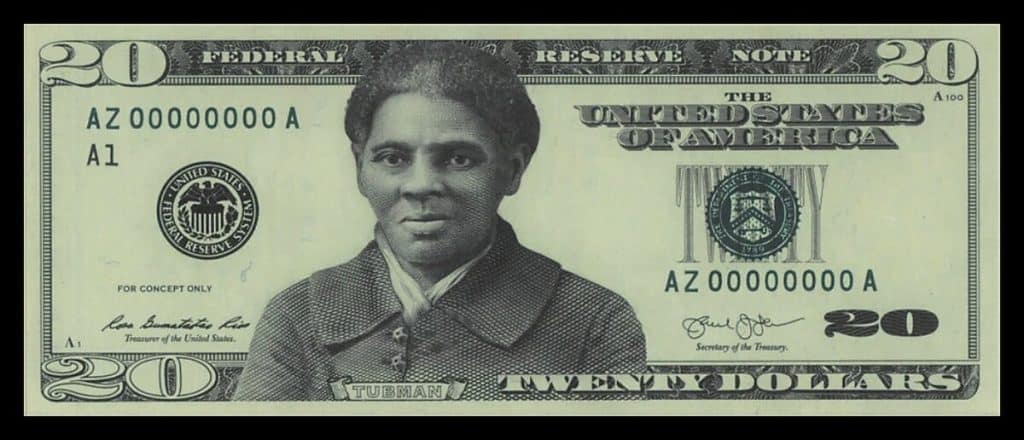
Harriet Tubman’s life didn’t get the fanfare it deserved in her day. A plaque in Auburn came in 1915; a pension took 30 years of begging. But her legacy grew. The Harriet Tubman Home became a historic site; a Maryland park traces her roots. Statues rose in Harlem and Newark; a Navy ship bears her name. The $20 bill nod lingers in limbo. Her gravesite draws pilgrims—flowers, coins, quiet respect.
What’s the takeaway? Courage that stares down hell. Resilience that turns scars into strength. Faith that lights the dark. Compassion that lifts others first. Defiance that topples giants. Persistence that outlasts neglect. Harriet Tubman wasn’t perfect—just relentless. A five-foot fugitive who freed hundreds, fought a war, and never quit. That’s Harriet Tubman: not a statue, but a spark. What will you do with it?
