
First Ladies
Dolly Madison: The First Lady Who Defined a Nation’s Social Identity
Dec
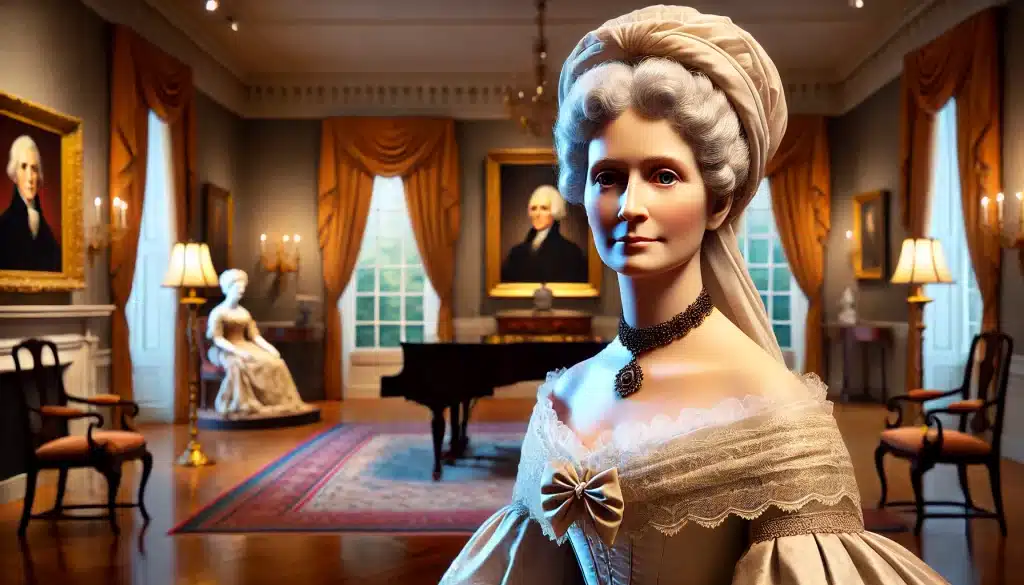
Dolly Madison, often hailed as one of the most influential First Ladies in American history, was far more than just the wife of the fourth U.S. president, James Madison. Her legacy is defined by her charisma, social grace, and pivotal role in shaping the position of First Lady into a cornerstone of American public life. From hosting legendary gatherings in the White House to saving priceless artifacts during the War of 1812, Dolly Madison left an indelible mark on the nation.
Early Life and Background
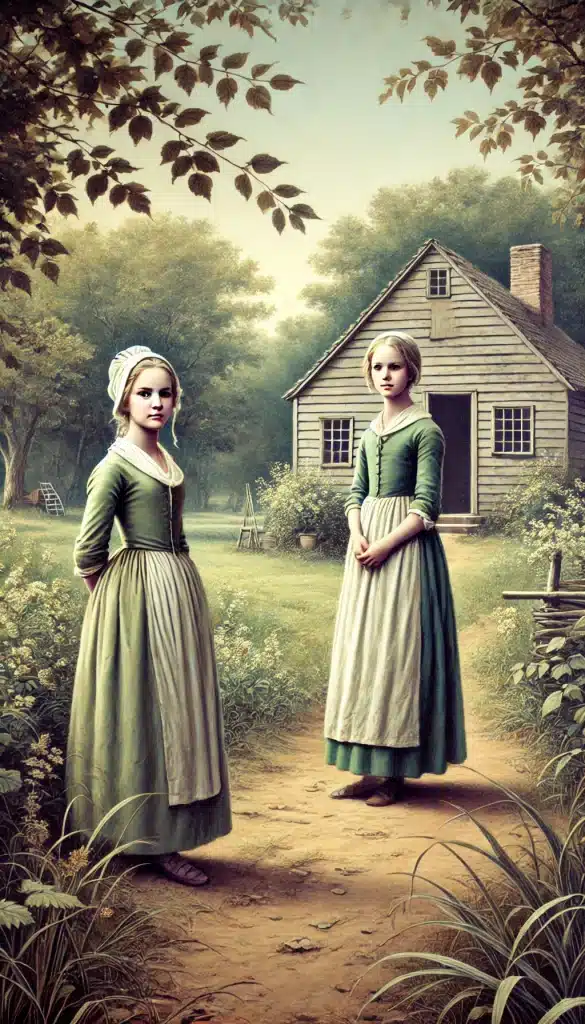
Dolley Payne was born on May 20, 1768, in the Quaker community of Guilford County, North Carolina. She grew up in a strict, religious household, where her parents, John and Mary Payne, instilled in her the values of simplicity, community, and charity. These values would later influence her approach to public service and social engagement.
In her early twenties, Dolly married John Todd, a Quaker lawyer, and they had two sons. Tragically, her husband and one of her sons succumbed to a yellow fever epidemic in 1793, leaving Dolly widowed at 25. Resilient and resourceful, she rebuilt her life, and within a year, she married James Madison, a Virginia statesman 17 years her senior. This union would set the stage for her to become one of the most admired women in America.
The Role of First Lady: Redefining Expectations
When James Madison assumed the presidency in 1809, Dolly Madison brought her natural warmth, charm, and understanding of social dynamics to the White House. Unlike her predecessor, Martha Jefferson Randolph, who preferred a quieter, less public role, Dolly enthusiastically embraced the position and transformed it into a platform for unity and diplomacy.
Her famous social events, known as “Wednesday night squeezes,” were open to people from all walks of life, including political rivals, foreign dignitaries, and ordinary citizens. These gatherings became a vital tool for fostering goodwill and bridging divides in a young, often fractious nation. At a time when the political climate was contentious, Dolly’s ability to create a welcoming atmosphere helped ease tensions and promote dialogue.
A Wartime Heroine: The War of 1812
Dolly Madison’s most famous moment came during the War of 1812, a conflict that tested the resilience of the United States. In August 1814, British forces marched on Washington, D.C., threatening to destroy the fledgling capital. As panic spread, Dolly remained calm and resolute, overseeing the evacuation of the White House.
Her courage shone brightly when she insisted on saving important national treasures, including a full-length portrait of George Washington painted by Gilbert Stuart. The iconic painting, now one of the most cherished symbols of American history, was removed under her direct supervision just hours before the British set fire to the White House. This act of preservation not only safeguarded a piece of American heritage but also solidified her status as a national heroine.
The People’s First Lady
Dolly Madison’s appeal extended far beyond the political elite. She was known for her empathy and accessibility, often engaging directly with ordinary citizens. Her efforts to make the White House symbolized democracy and inclusion resonated deeply with the American public.
In addition to her social diplomacy, Dolly actively supported her husband’s political career. While she did not engage directly in policy-making, her influence was undeniable. She acted as James Madison’s confidante and advisor, offering insights into public opinion and fostering relationships that bolstered his presidency.
Her fashion sense also contributed to her popularity. Dolly’s vibrant wardrobe and signature turbans symbolized elegance and confidence. Women across the country emulated her style choices, further cementing her status as a cultural icon.
Life After the White House
After James Madison’s presidency ended in 1817, the couple retired to their estate, Montpelier, in Virginia. Dolly continued to play an active role in managing their home and supporting her husband’s legacy. Following James Madison’s death in 1836, she faced financial difficulties, but her enduring reputation as a beloved national figure provided her with some support.
Dolly eventually returned to Washington, where she became a revered elder stateswoman. She continued to host social events and advise on political matters, maintaining her position as a unifying presence in a growing and changing nation.
Legacy and Influence
Dolly Madison’s contributions to American history go far beyond her role as First Lady. She redefined the position, demonstrating that it could be a powerful platform for diplomacy, unity, and cultural influence. Her ability to connect with people from diverse backgrounds made her a beloved figure, and her legacy as a symbol of resilience and grace endures to this day.
Several places and institutions have been named in her honor, including schools, towns, and even the iconic snack cakes that bear her name. These tributes reflect Americans’ enduring affection and respect for Dolly Madison.
Lessons from Dolly Madison’s Life
Dolly Madison’s life offers valuable lessons for modern leaders and citizens alike. Her ability to foster dialogue and understanding in a divided political landscape reminds her of the importance of empathy and communication. Her courage in adversity underscores the value of resilience and determination.
At a time when the nation was still figuring out its identity, Dolly Madison provided a compassionate and effective leadership model. Her legacy reminds us that influence often comes not from holding formal power but from the ability to inspire, connect, and uplift others.
Conclusion
Dolly Madison’s story is one of triumph over adversity, grace under pressure, and the power of human connection. She was not just a First Lady but a symbol of hope, unity, and resilience for a young nation. Today, her legacy continues to inspire, reminding us of an individual’s enduring impact on history.
