
Uncategorized
Reflection on Loretta Lynn’s Journey
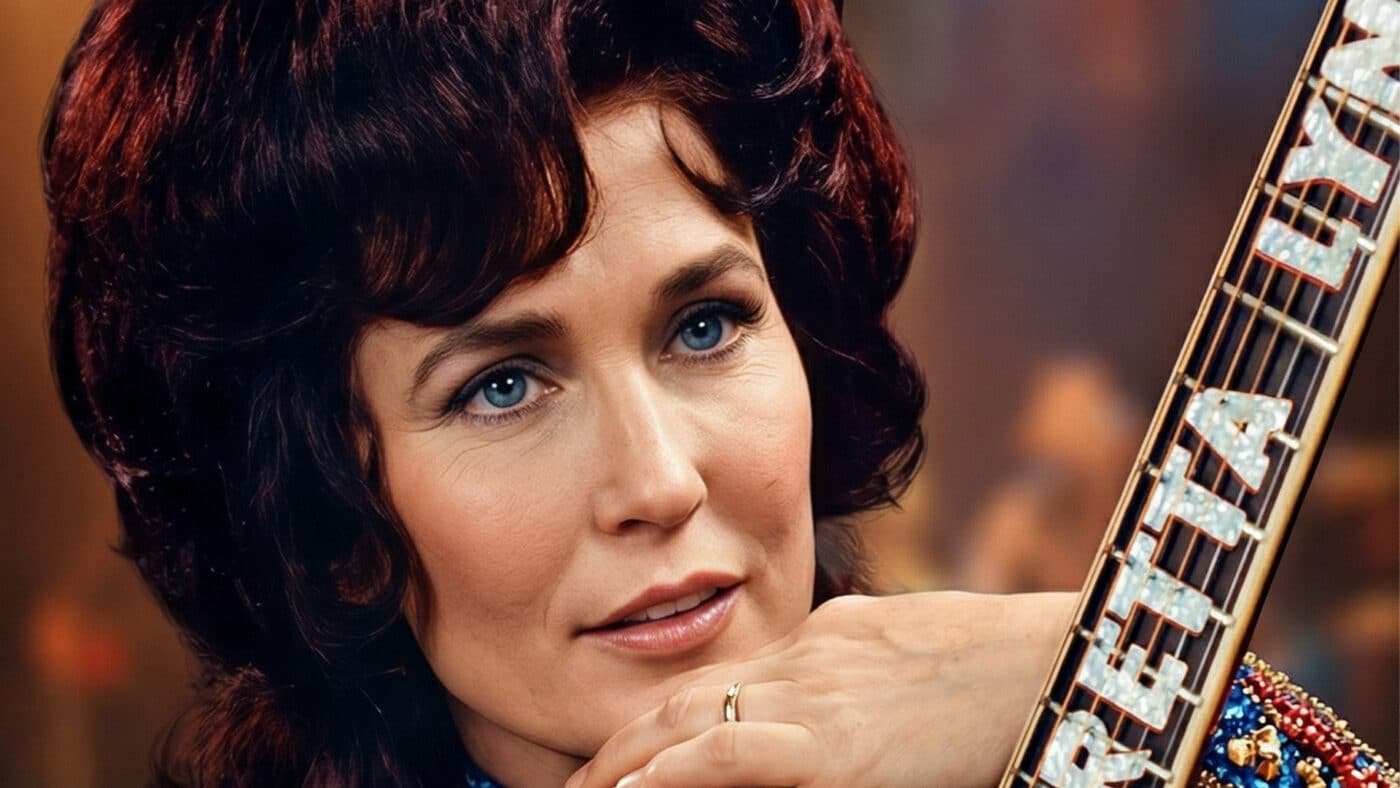
Loretta Lynn, a towering figure in country music, has captivated audiences with her heartfelt storytelling and powerful voice. Her journey from a small coal-mining town in Kentucky to becoming a cultural icon is not only inspiring but also reflective of the struggles and triumphs many women in the music industry face. This article delves into her early life, her rise to fame, the challenges she faced, and her lasting legacy in country music.
Early Life in Butcher Hollow
Childhood and Family Background
Loretta Lynn was born on April 14, 1932, in Butcher Hollow, Kentucky. The second of eight children, she grew up in a family that faced the harsh realities of poverty. Her father, Melvin Webb, worked as a coal miner, a job that often left the family struggling to make ends meet. The environment in which she was raised was steeped in hardship, yet it also fostered a deep sense of resilience and determination. Loretta’s mother, Clara, instilled in her children the importance of hard work and perseverance, values that would later shape Loretta’s character and career.
Growing up in such a large family meant that resources were scarce, and the siblings often had to share clothes and toys. Despite their challenging circumstances, the Webb family found joy in music. Loretta’s mother would often sing traditional Appalachian songs, and it was here that Loretta first experienced the power of music as a form of expression and solace. This early exposure set the stage for her musical journey, allowing her to entwine her life experiences with melodic storytelling.
The Impact of Poverty
The economic difficulties of Loretta’s childhood had a profound effect on her worldview. Witnessing her parents work tirelessly to provide for their family instilled in her a strong work ethic and an appreciation for the simple joys in life. However, the struggles also shaped her songwriting, providing a rich tapestry of emotions and experiences to draw from. Themes of love, heartache, and resilience became central to her music, resonating with audiences who could relate to her poignant storytelling.
The poverty that surrounded her created a fertile ground for creativity. With limited access to formal education and resources, Loretta relied on her imagination and her love for music to escape the harshness of her reality. This nexus of hardship and creativity would later define her career, allowing her to connect with listeners on a deeply personal level. The songs that emerged from her life experiences were not just entertainment; they were a reflection of the struggles faced by many women and families across America.
Discovering Music
First Steps Towards Songwriting
Loretta began to write songs as a teenager. In fact, she penned her first song at the age of 18, inspired by her own life experiences. These early compositions were raw and honest, capturing the essence of her struggles and aspirations. She would often perform at local events, gaining confidence and honing her craft. Her marriage to Oliver Lynn, whom she affectionately called Doolittle, provided her with the support she needed to pursue her passion for music. He encouraged her to take her talent seriously, which eventually led her to seek opportunities beyond her small town.
With Doolittle’s encouragement, Loretta began performing at various venues, including honky-tonks and local radio stations. This grassroots approach allowed her to connect with an audience that appreciated her authenticity and relatable lyrics. Her songs often featured themes of love, heartbreak, and the struggles of everyday life, reflecting the experiences of many women in similar situations. This relatability would become a cornerstone of her appeal, distinguishing her from other artists in the country genre.
Influences and Inspirations
Loretta was influenced by a range of musical styles and artists. Growing up, she listened to traditional country music, as well as gospel and folk tunes, which shaped her unique sound. Icons like Patsy Cline and Hank Williams inspired her, but it was the struggles of women, particularly her own, that fueled her songwriting. Loretta’s lyrics often addressed taboo subjects that resonated with her audience, including infidelity, birth control, and the trials of marriage, making her a voice for women who felt unheard.
This fearless approach to songwriting not only set her apart but also laid the groundwork for the feminist movement within country music. By tackling themes that were often considered controversial, Loretta challenged societal norms and opened a dialogue about women’s experiences in a male-dominated genre. Her willingness to speak candidly about her life experiences resonated with fans, leading to a growing appreciation for her artistry.
Rise to Fame
First Record Deal
Loretta’s breakthrough came in 1960 when she signed her first record deal with Zero Records. Her initial singles, including I’m a Honky Tonk Girl, quickly gained popularity and showcased her distinctive voice and storytelling ability. The song became a hit, reaching the top of the charts and solidifying her place in country music. This success opened doors for Loretta and led to performances on popular television shows and concert tours, further expanding her audience.
As her visibility increased, so did her confidence as an artist. Loretta’s unique blend of traditional country and contemporary themes resonated with listeners, leading to a string of successful albums and singles throughout the 1960s and 1970s. Her songs often drew from her own life experiences, which added an authenticity that fans found appealing. As she rose to fame, Loretta remained true to her roots, using her platform to share her story and those of those around her.
Breakthrough Hits and Recognition
Recognition for her contributions to music came in the form of multiple Grammy Awards and induction into the Country Music Hall of Fame. Loretta’s success was unprecedented for a female country artist, as she broke barriers and paved the way for future generations of women in the music industry. Her influence extended beyond just her music; she became a role model for women seeking to carve out their own paths in a challenging industry.
Challenges Along the Way
Personal Struggles and Triumphs
Despite her success, Loretta faced numerous personal challenges throughout her life. Her marriage to Doolittle was tumultuous, marked by infidelity and struggles with addiction. These experiences deeply affected her, and she often channeled her pain into her music. The authenticity of her lyrics resonated with fans, who appreciated her vulnerability and the courage it took to share such intimate details of her life. Her songs became a testament to the resilience of women facing similar struggles, further solidifying her role as a voice for the marginalized.
Moreover, the pressures of fame took a toll on her mental health. Loretta faced criticism from both the media and peers in the industry, often being labeled as too outspoken or controversial. However, she remained undeterred, using her platform to advocate for issues that mattered to her. Her willingness to address personal struggles publicly made her relatable to many fans, and she became a source of strength for those facing their own challenges. In doing so, she not only empowered herself but also inspired others to embrace their stories.
Impact of the Music Industry
The country music industry in the 1960s and 1970s was primarily male-dominated, presenting additional hurdles for female artists like Loretta. Despite her immense talent, she often encountered resistance and skepticism from industry executives, who were reluctant to embrace a woman who spoke openly about controversial issues. Nevertheless, Loretta’s determination allowed her to carve a niche for herself, and she became one of the most successful female artists in country music history.
Her impact on the industry is evident in her challenge to existing norms and in paving the way for future female artists. By addressing topics such as gender equality and women’s rights in her songs, she opened the door for other female musicians to express themselves more freely. Her legacy is not just in her chart-topping hits, but also in the way she transformed the country music landscape, making it more inclusive for the women who followed in her footsteps.
Legacy and Influence
Impact on Country Music
Loretta Lynn’s influence on country music cannot be overstated. She was instrumental in bringing women’s issues to the forefront of the genre, addressing topics that were often considered taboo. Her storytelling ability set a new standard for songwriting in country music, inspiring countless artists to share their own narratives. Songs like The Pill and Rated X explored themes of female autonomy and societal expectations, resonating with audiences and challenging cultural norms.
As a trailblazer, Loretta paved the way for future generations of female artists, including Dolly Parton, Reba McEntire, and Miranda Lambert. Her impact is reflected in the increasing visibility of women in country music and in the diversity of voices and stories being shared. Loretta’s commitment to authenticity and her fearless approach to songwriting have left an indelible mark on the genre, ensuring that her influence will be felt for years to come.
Inspiration for Future Generations
Beyond her musical contributions, Loretta Lynn has served as an inspiration for many women, encouraging them to pursue their dreams despite the obstacles they may encounter. Her story demonstrates that success is attainable through hard work, resilience, and authenticity. As a pioneer, Loretta showed that a woman’s voice could be powerful and relevant, challenging societal expectations and redefining what it means to be a female artist in a male-dominated industry.
Many artists today cite Loretta as a significant influence in their careers, and her songs continue to be celebrated and covered by new generations of musicians. The themes of empowerment, resilience, and authenticity in her music continue to resonate, proving that her legacy endures not just in her chart-topping hits but also in the hearts of those who admire her courage and tenacity.
Conclusion
The journey of Loretta Lynn is one marked by struggle, triumph, and a relentless commitment to her craft. From her humble beginnings in Butcher Hollow to her status as a country music legend, Loretta’s story is a testament to the power of resilience and the importance of authenticity in art. Her ability to speak candidly about her life experiences has forged a deep connection with her audience, making her songs timeless anthems for many.
Her legacy extends far beyond her impressive discography; she has opened doors for women in the music industry and has inspired countless artists to be true to themselves. Loretta Lynn’s life and career serve as a reminder of the importance of sharing one’s story, no matter how difficult, and the impact it can have on others.
The Enduring Legacy of a Country Icon
Loretta Lynn’s impact on country music and popular culture is immeasurable. She has not only entertained millions but has also provided a voice for those who struggle to be heard. As we reflect on her contributions, it is clear that her journey is one of passion, perseverance, and an unwavering dedication to authenticity. As new generations of artists continue to emerge, Loretta’s legacy will undoubtedly inspire them to share their own stories and break barriers in the music industry.
FAQs
What are some of Loretta Lynn’s most famous songs?
Some of Loretta Lynn’s most famous songs include Coal Miner’s Daughter, You Ain’t Woman Enough, The Pill, and Don’t Come Home A-Drinkin’ (With Lovin’ on Your Mind). Each of these songs showcases her storytelling ability and reflects her personal experiences.
How did Loretta Lynn influence country music?
Loretta Lynn influenced country music by addressing women’s issues and challenging societal norms in her songwriting. She paved the way for future female artists to express themselves and share their own stories, making her a trailblazer in the genre.
What challenges did Loretta Lynn face in her career?
Loretta Lynn faced numerous challenges, including personal struggles in her marriage, criticism from the media, and resistance from the male-dominated music industry. Despite these obstacles, she persevered and achieved remarkable success.
Is Loretta Lynn still active in music today?
While Loretta Lynn has reduced her public appearances due to health issues, she remains an influential figure in music. Her songs continue to be celebrated, and her legacy endures through the artists she has inspired.
What is the significance of Coal Miner’s Daughter?
Coal Miner’s Daughter is significant because it tells the story of Loretta’s upbringing in a coal-mining family, highlighting the struggles of poverty and the strength of her family. The song resonated with many listeners and became an anthem for those who faced similar hardships.
