
Civil Rights
Matilda Joslyn Gage: The Forgotten Feminist
Feb
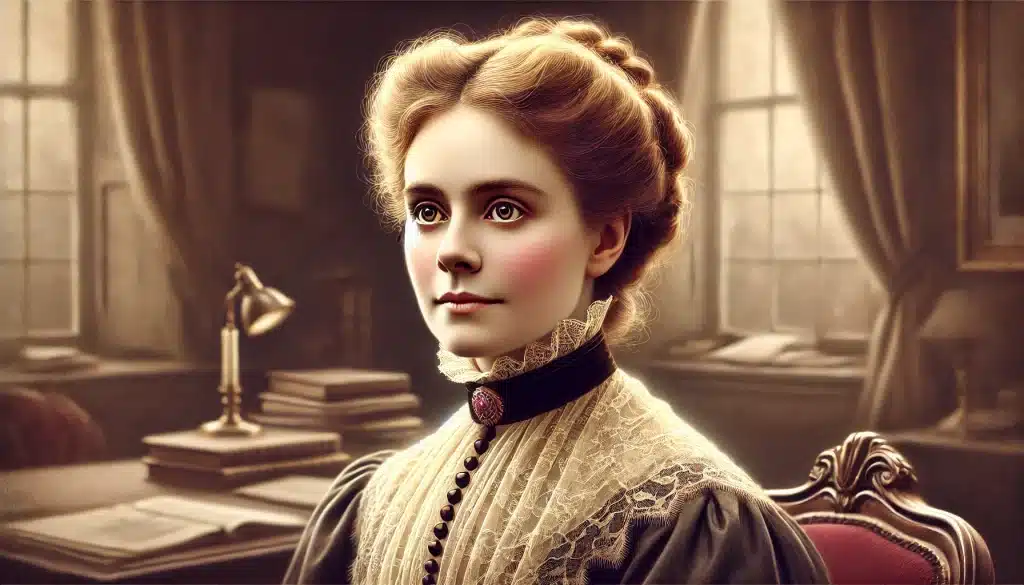
When discussing the women’s suffrage movement, names like Susan B. Anthony and Elizabeth Cady Stanton often come to mind. But another key figure helped shape the fight for women’s rights—Matilda Joslyn Gage. Though largely forgotten by history, Gage was one of the most radical feminists of the 19th century. She wasn’t just a suffragist but a writer, activist, and advocate for Native American rights, religious freedom, and gender equality.
In this blog post, we’ll explore Gage’s contributions to the women’s rights movement, her revolutionary ideas, and why she was erased from mainstream history.
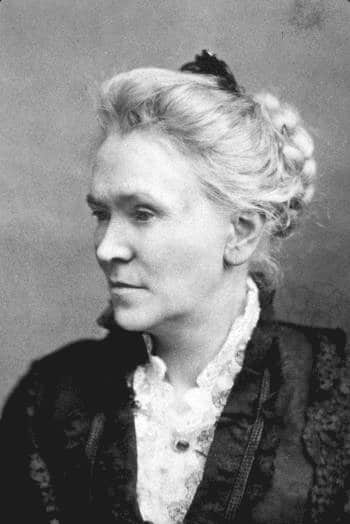
Who Was Matilda Joslyn Gage?
Matilda Joslyn Gage was born in Cicero, New York, on March 24, 1826. Raised in a progressive household, her father was a doctor and a passionate abolitionist. This environment encouraged her to question authority and fight against oppression.
From an early age, Gage was deeply involved in social justice movements. She supported women’s rights and abolitionism and even worked with the Underground Railroad, helping enslaved people escape to freedom.
Matilda Joslyn Gage and the Women’s Suffrage Movement
In 1852, Gage gave her first major speech on women’s rights at the National Women’s Rights Convention in Syracuse, New York. Her powerful words and fearless attitude earned her a prominent place in the movement.
The History of Woman Suffrage
Gage worked closely with Susan B. Anthony and Elizabeth Cady Stanton, co-authoring the groundbreaking book The History of Woman Suffrage. This four-volume work documented the fight for voting rights and remains one of the most important sources on the early suffrage movement.
However, unlike Anthony and Stanton, Gage took a more radical approach to feminism. She didn’t just want women to vote—she wanted complete equality in all aspects of life, from education to employment to religion.
President of the National Woman Suffrage Association
Gage was the National Woman Suffrage Association (NWSA) president from 1875 to 1876. She pushed for more aggressive reforms during her tenure, believing that incremental change would achieve true gender equality.
A Fierce Critic of the Church and Patriarchy
One of the reasons Joslyn Gage was sidelined by history is her criticism of organized religion. She believed that the Christian Church played a significant role in oppressing women and published her controversial book Woman, Church, and State in 1893.
In this book, she argued that religious institutions reinforced patriarchal values, keeping women subordinate to men. Her views made her unpopular among more conservative suffragists, who wanted to align the movement with religious groups to gain broader support.
Her radical stance on religion and feminism led to a falling out with Susan B. Anthony, who prioritized gaining political allies over challenging the church.
Advocate for Indigenous Rights
One of the most overlooked aspects of Gage’s activism was her support for Native American rights. Unlike many of her contemporaries, she admired the Haudenosaunee (Iroquois) women, who held positions of power and had greater gender equality in their societies.
Gage spent time with the Haudenosaunee people, learning about their matriarchal structure. She was fascinated that Iroquois women had a say in political decisions, owned property, and had authority within their communities—rights that white American women still fought for.
She wrote extensively about how Indigenous societies offered a model for gender equality, arguing that European patriarchy had stripped women of their rightful status.
Erased from the Women’s Rights Movement
So, if Matilda Joslyn Gage was such an influential feminist thinker, why isn’t she as well-known as Susan B. Anthony or Elizabeth Cady Stanton?
The answer lies in politics and strategy.
In the late 19th century, Susan B. Anthony wanted to align the suffrage movement with Christian organizations to gain broader support. Gage, who was openly anti-religion, refused to compromise on her beliefs. As a result, Anthony and other leaders pushed Gage out of the mainstream movement, ensuring that her contributions were downplayed or erased.
Gage eventually formed the Woman’s National Liberal Union, which promoted the separation of church and state. However, by her death in 1898, the movement she helped build had forgotten mainly her.
Her Lasting Influence on Feminism and Pop Culture
While history may have tried to erase her, Matilda Joslyn Gage’s legacy lived on unexpectedly.
Her daughter, Maud Gage Baum, married L. Frank Baum, the author of The Wonderful Wizard of Oz. Some historians believe that Gage’s feminist ideals influenced Baum’s depiction of strong female characters like Dorothy and Glinda the Good Witch.
Today, Gage’s work is being rediscovered by feminist scholars who recognize her as a visionary thinker far ahead of her time.
Why Matilda Joslyn Gage Matters Today
Gage’s ideas remain relevant today. Women’s rights, religious freedom, and social justice are still pressing issues,
Her fearless approach to feminism, separation of church and state, and Indigenous rights challenges us to think beyond traditional activism and fight for more profound, systemic change.
Key Lessons from Matilda Joslyn Gage:
- True feminism is about more than voting rights—complete social and economic equality.
- Religious institutions have played a historical role in oppressing women, and challenging them is necessary for progress.
- Indigenous cultures offer valuable models of gender equality that we can learn from today.
- Women’s rights movements must be intersectional, recognizing the struggles of marginalized communities.
Conclusion
Matilda Joslyn Gage may not be as famous as Susan B. Anthony or Elizabeth Cady Stanton, but she was just as radical and forward-thinking. Her vision of gender equality, her critique of religion, and her respect for Indigenous societies make her one of the most fascinating and underappreciated figures in feminist history.
It’s time to reclaim her story and give her the recognition she deserves.
If you found this article insightful, please share it to help spread awareness about this forgotten feminist icon. Don’t forget to subscribe to our blog for deeper insights into history’s most influential but overlooked figures.
