
Blogging
The Evolution of the Movie Industry in the United States

Jan
ABSTRACT: In my thesis, I explore the evolution of the movie industry in the United States,
tracing its journey from the early beginnings of motion pictures to the modern era of digital
revolution and globalization. I begin by examining the foundational developments in American
cinema, including the contributions of inventors like Thomas Edison and the rise of silent films
that established narrative innovations.
I then delve into the Golden Age of Hollywood, highlighting the dominance of the studio system and the technological advancements that transformed audience experiences. As I progress through the post-studio era, I analyze the decline of traditional filmmaking structures and the emergence of independent cinema shaped by socio-political movements. Finally, I discuss how the rise of blockbusters, digital technology,
and streaming platforms have reshaped the industry, creating both new opportunities and
challenges for filmmakers and audiences alike. Through this comprehensive overview, I aim to
underscore the dynamic nature of the U.S. film industry and its ongoing evolution in response to
cultural and technological changes.
J. D. Willis

Early Beginnings: The Foundations of American Cinema
The movie industry in the United States has grown into an influential cultural and economic
powerhouse, but its roots date back to the late 19th century, when the idea of capturing motion
on film was just beginning to take shape. This section explores the origins of motion pictures, the
rise of silent films, and the emergence of the studio system, all of which laid the foundation for
the U.S. film industry.
The movie industry is a complex and dynamic sector that reflects societal changes.
By delving into the contributions of key inventors like Thomas Edison,
the artistic and narrative innovations of silent films, and the structural influence of early studios
such as Paramount and Warner Bros., we gain a deeper understanding of how American cinema
evolved into the global phenomenon it is today.
The journey of motion pictures began with the quest to capture and reproduce movement, a
challenge that attracted inventors and visionaries across the globe. In the United States, Thomas
Edison emerged as a pivotal figure in this endeavor. Edison’s laboratory in Menlo Park was
instrumental in developing early motion picture devices, including the kinetoscope, a precursor
to modern film projectors.
Many innovations in the movie industry have emerged from creative experimentation.
The kinetoscope, invented by Edison and his assistant William
Kennedy Laurie Dickson allowed individuals to view moving images through a peephole. This
groundbreaking invention, introduced in 1891, marked a significant leap in visual entertainment.
Edison’s work laid the groundwork for the technical development of cinema (Zhan, Li, & Jiang,
2018).
The kinetoscope was soon followed by the development of the cinematograph, a device capable
of both recording and projecting motion pictures. Though the Lumière brothers in France are
often credited with popularizing the cinematograph, Edison’s contributions to the advancement
of motion picture technology cannot be understated. His focus on innovation and
commercialization helped establish the United States as a leader in this burgeoning industry (Li,
2022).
Movie theaters began to appear across the country, creating a new platform for visual
storytelling and setting the stage for the film industry’s rapid growth.
Silent films represent the first era of cinematic storytelling, characterized by their lack of
synchronized sound and reliance on visual and narrative innovation.
This period, which lasted from the late 19th century until the late 1920s, was crucial in shaping the artistic foundation of the U.S. film industry. Silent filmmakers overcame the absence of spoken dialogue by employing expressive acting, creative use of intertitles, and innovative camera techniques to convey stories.
Directors like D.W. Griffith, known for his groundbreaking work in films such as The Birth of a
Nation (1915) revolutionized cinematic storytelling through his use of close-ups, cross-cutting,
and elaborate set designs (Chen, 2020).
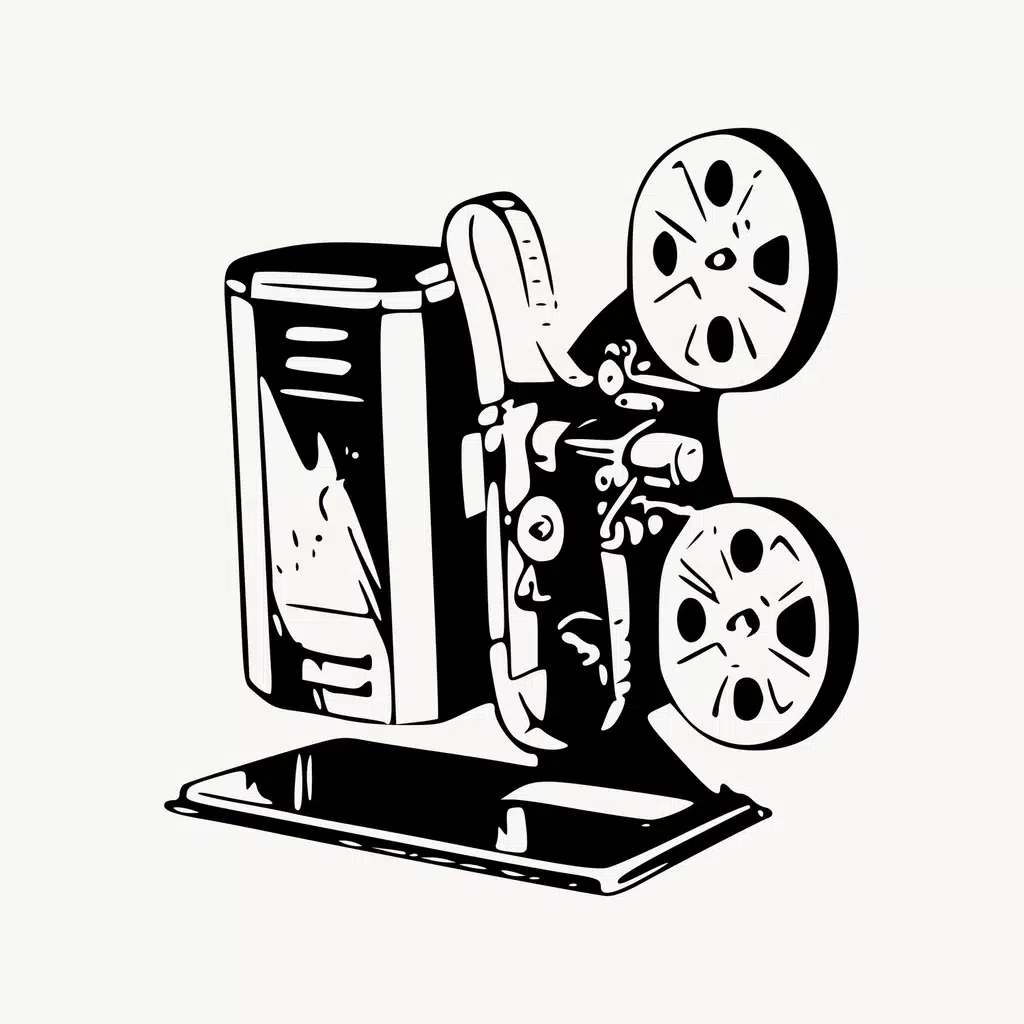
Silent films were not only an artistic achievement but also a medium for cultural expression.
They reflected the era’s values, struggles, and aspirations. For instance, Charlie Chaplin’s
comedic masterpieces, including The Kid (1921) and City Lights (1931), resonated with
audiences by blending humor with poignant social commentary. Chaplin’s ability to connect
with viewers without uttering a single word demonstrated the universal appeal of silent cinema
(Scott, 2018). As a result, the movie industry remains a vital part of the cultural landscape.
The silent film era also saw the emergence of narrative innovations that paved the way for
modern cinema. Filmmakers experimented with genres, from melodrama to slapstick comedy,
and explored themes that reflected the complexities of human experience. Silent films were
instrumental in establishing the foundational storytelling techniques still used today. Moreover,
the success of silent films helped legitimize the film industry as a cultural and economic force in
the United States, attracting investment and fostering the growth of production companies (Cook,
2016).
As the popularity of motion pictures grew, the film industry began to consolidate into a
structured system dominated by powerful studios. The studio system, which emerged in the early the
20th century was characterized by vertical integration, where studios controlled production,
distribution, and exhibition. This system allowed major studios to wield significant influence
over the industry and shaped the direction of American cinema for decades.
Key players in the studio system included Universal Pictures, Paramount Pictures, and Warner
Bros., which were among the first studios to establish themselves as industry leaders. Universal,
founded in 1912 by Carl Laemmle, became known for its innovative marketing strategies and
iconic horror films like Dracula (1931) and Frankenstein (1931). Paramount, established in
1914 distinguished itself through its focus on star power, signing legendary actors such as Gloria
Swanson and Rudolph Valentino. Warner Bros., founded in 1923, revolutionized the industry
with its introduction of synchronized sound in The Jazz Singer (1927), it ushered in the “talkies.”
era (Benshoff & Griffin, 2021).
The studio system not only centralized the production process but also introduced the concept of
the “star system,” where actors were groomed and promoted to become cultural icons. Studios
invested heavily in developing and marketing their stars, recognizing their ability to attract
audiences and drive box-office success. This strategy not only boosted the financial viability of
the film industry but also contributed to the emergence of Hollywood as a global entertainment
hub (Rosenstone, 2023).
The movie industry serves as a powerful medium for cultural expression and social commentary. In essence, the movie industry plays a crucial role in reflecting societal values and issues. Consequently, the movie industry has a profound impact on global cultures and societies.
In addition to shaping the industry’s economic structure, the studio system played a significant
role in defining the artistic identity of American cinema. Studios developed distinct production
styles and specialized in specific genres, creating a diverse and dynamic cinematic landscape.
For example, MGM became synonymous with lavish musicals, while Warner Bros. gained a
reputation for gritty crime dramas. This specialization allowed studios to cater to varying
audience preferences and establish themselves as leaders in their respective niches (Fithratullah,
2021).
The early beginnings of American cinema laid the foundation for its transformation into a global
cultural phenomenon. The contributions of inventors like Thomas Edison, the artistic
achievements of silent filmmakers, and the structural innovations of the studio system
collectively shaped the trajectory of the U.S. film industry. These early developments not only
established cinema as a form of entertainment but also as a medium for cultural expression and
artistic experimentation.
As the industry evolved, it continued to build on the legacy of its early pioneers, embracing new
technologies, narratives, and business models. The innovations and accomplishments of this era
serve as a testament to the enduring impact of early American cinema on the global film
industry. From the kinetoscope to the rise of Hollywood studios, the foundations laid during this
period remain integral to understanding the evolution of motion pictures and their role in shaping
the cultural and artistic identity of the United States (Bettig, 2018).
Ultimately, the movie industry embodies a blend of art, commerce, and cultural commentary.This evolution reflects the movie industry’s adaptability to changing societal norms.
In conclusion, the early beginnings of American cinema represent a transformative period in the
history of filmmaking. By tracing the origins of motion pictures, exploring the rise of silent
films, and analyzing the emergence of the studio system, we gain insight into the foundational
elements that shaped the U.S. film industry. These developments not only reflect the ingenuity
and creativity of early filmmakers and inventors but also highlight the cultural and economic
significance of cinema in American society. As the industry continues to evolve, the legacy of its
early pioneers serves as a reminder of the power of storytelling and innovation in shaping the
future of entertainment.
The Golden Age of Hollywood
Moreover, the movie industry has continuously adapted to technological advancements.
The Golden Age of Hollywood, spanning roughly from the late 1920s to the early 1960s, marked
a transformative period in the U.S. film industry. It was during this time that the American
cinema landscape underwent unprecedented growth and innovation, cementing its status as a
global cultural phenomenon.
Defined by the dominance of the studio system, technological
advancements, and the creation of countless iconic films, this era shaped the foundations of
modern filmmaking and transformed the way audiences experienced and engaged with cinema.
The synergy between art and commerce during this time was unparalleled, making the Golden
Age is an important chapter in the evolution of the movie industry.
The studio system was the backbone of Hollywood during its Golden Age, and its dominance
laid the groundwork for the industry’s expansion and global influence. This system revolved
around a few major production companies, collectively known as the “Big Five”—Paramount
Pictures, Metro-Goldwyn-Mayer (MGM), Warner Bros., RKO Pictures, and 20th Century Fox.
These studios controlled nearly every aspect of filmmaking, from production and distribution to
exhibition, establishing themselves as monopolistic entities within the industry. Complementing
the Big Five were the “Little Three”—Universal Pictures, Columbia Pictures, and United Artists
—which, while less dominant, still played significant roles in shaping American cinema during
this era (Scott, 2018).
The studio system operated under a highly efficient assembly-line model. Studios employed a
vast array of talent, including directors, actors, screenwriters, and technicians, all working under
long-term contracts. This ensured a steady stream of films that aligned with the studios’
distinctive styles and branding.
For example, MGM was synonymous with glamour and sophistication, producing lavish musicals and star-studded dramas. Paramount, on the other hand, was known for its sophisticated comedies and innovative storytelling techniques, whereas Warner Bros. focused on gritty, socially conscious films that often addressed themes of crime and urban life (Rosenstone, 2023).
The movie industry continues to push boundaries through various genres and storytelling techniques.
The financial power of the studios also extended to their control over theaters. The practice of
vertical integration allowed studios to own the theaters where their films were exhibited. This
guaranteed box office success, as theaters prioritized screening studio-produced films over
independent productions. However, this monopoly eventually faced legal challenges, leading to
the landmark Paramount Decree of 1948, which mandated the separation of production and
exhibition, effectively dismantling the studio system’s grip on the industry (Bettig, 2018).
Despite its eventual decline, the studio system fostered a period of immense creativity and
innovation, producing many of the most celebrated films in cinematic history. It provided a
stable environment for filmmakers and actors to hone their craft and reach global audiences. The
collaboration between studio executives, creative teams, and technical experts resulted in a
golden era of storytelling that continues to influence modern cinema.
The Golden Age of Hollywood was not only defined by the studio system but also by
groundbreaking technological advancements that transformed storytelling and the way audiences
consumed films. Among these innovations, the introduction of synchronized sound and color
filmmaking stood out as a pivotal moment that reshaped the industry.
The advent of synchronized sound in the late 1920s marked a significant turning point in cinema
history. Before this innovation, films relied on live musical accompaniment or text-based
intertitles to convey dialogue and emotion. The release of The Jazz Singer (1927) was a
watershed moment, as it became the first feature-length film to incorporate synchronized
dialogue and music.
This technological leap not only revolutionized narrative techniques but also
heightened the emotional impact of films, allowing audiences to engage with characters and
stories on a deeper level (Zhan, Li, & Jiang, 2018). As a result, the sound era ushered in a new
wave of genres, including musicals, crime dramas, and screwball comedies, which capitalized on
the expressive power of spoken dialogue and sound effects.
Equally transformative was the introduction of color filmmaking, which added visual richness
and vibrancy to the cinematic experience. While early experiments with color occurred as far
back as the silent era, the development of Technicolor technology in the 1930s made the process
more practical and visually appealing. Films like The Wizard of Oz (1939) and Gone with the
Wind (1939) showcased the artistic possibilities of color, using it to enhance storytelling and
create unforgettable imagery. The Wizard of Oz, for instance, employed vibrant hues to
distinguish the fantastical world of Oz from the sepia-toned reality of Kansas, creating a visual
dichotomy that resonated with audiences (Cook, 2016).
As we reflect on the past, the movie industry continues to inspire future generations of filmmakers.
These technological advancements also influenced audience behavior and expectations. As films
became more immersive, movie theaters evolved to accommodate the growing demand for high-quality viewing experiences. The construction of grandiose, art deco-style cinemas during this
era reflected the cultural significance of filmgoing as a communal activity. Additionally, the rise
of sound and color encouraged filmmakers to experiment with new narrative techniques and
genres, pushing the boundaries of creativity and innovation.
Furthermore, the Golden Age saw the emergence of special effects and cinematographic
techniques that elevated storytelling to new heights. Innovations like rear projection, matte
painting, and early animatronics allowed filmmakers to depict fantastical worlds and dramatic
action sequences that were previously unimaginable. These advancements not only enhanced the
visual spectacle of films but also expanded the scope of storytelling, enabling filmmakers to
explore themes of adventure, romance, and fantasy on a grand scale (Fithratullah, 2021).
The Golden Age of Hollywood was not just a period of artistic and technological growth; it was
also a time when cinema became a cornerstone of American culture and identity. Films produced
during this era reflected the values, aspirations, and challenges of American society, serving as
both a mirror and a shaper of cultural norms. Hollywood’s ability to capture the zeitgeist of the
nation contributed to its status as a global cultural force.
Through its evolution, the movie industry reflects changing tastes and preferences of audiences.
One notable aspect of this cultural impact was the rise of the star system, which elevated actors
and actresses to iconic status. Stars like Clark Gable, Katharine Hepburn, and Marilyn Monroe
became household names, embodying ideals of beauty, charisma, and talent. Studios carefully
cultivated the public personas of their stars, using them as marketing tools to attract audiences
and drive box office success. This phenomenon not only solidified Hollywood’s influence but
also demonstrated the power of cinema in shaping societal ideals and aspirations (Benshoff &
Griffin, 2021).
For many, the movie industry represents an escape and a source of inspiration and hope. The dynamics within the movie industry highlight its role in both entertainment and education.
The Golden Age also saw the production of films that addressed important social and political
issues, albeit often through a lens of entertainment. For example, films like Mr. Smith Goes to
Washington (1939) and Casablanca (1942) explored themes of patriotism, democracy, and
resistance against oppression, resonating with audiences during times of global conflict and
uncertainty. These films not only entertained but also inspired and united viewers, showcasing
the potential of cinema to influence public opinion and foster a sense of collective identity (Li,
2022).
The movie industry also serves as a medium for cross-cultural exchange and understanding. The movie industry’s story is one of creativity, resilience, and the pursuit of excellence.
Moreover, Hollywood’s global reach during the Golden Age contributed to its role as an
ambassador of American culture. Films were exported to international markets, introducing
audiences around the world to American values, lifestyles, and ideals. This cultural exchange
fostered a sense of interconnectedness and established Hollywood as the epicenter of global
cinema. However, this dominance also raised questions about cultural imperialism and the
homogenization of global media, issues that continue to be debated in contemporary film studies
(Chen, 2020).
Moreover, the movie industry has the potential to influence public opinion through storytelling.
The Golden Age of Hollywood left an indelible mark on the film industry, shaping its evolution
and influencing generations of filmmakers. The era’s emphasis on storytelling, technological
innovation, and cultural resonance set a standard for cinematic excellence that continues to
inspire contemporary cinema. Many of the conventions and techniques developed during this
time, such as the use of synchronized sound, color, and special effects, remain integral to modern
filmmaking.
Additionally, the Golden Age’s focus on star power and branding laid the foundation for the
celebrity culture that dominates today’s entertainment industry. The strategies employed by
studios to market their films and stars have evolved but remain rooted in the practices of the
Golden Age. For instance, the use of social media and digital platforms to promote films and
engage with audiences can be seen as a modern extension of the studio system’s marketing
efforts (Barrero, Bloom, & Davis, 2023).
The films and filmmakers of the Golden Age also continue to be celebrated and studied for their
artistic achievements and cultural significance. Classics like Citizen Kane (1941), Singin’ in the
Rain (1952) and Vertigo (1958) are regarded as masterpieces that exemplify the creative
potential of cinema. These films serve as benchmarks for aspiring filmmakers and remind
audiences of the power of storytelling to captivate, inspire, and challenge.
In conclusion, the Golden Age of Hollywood was a transformative period that redefined the U.S.
film industry and established cinema as a global cultural phenomenon. Through the dominance
of the studio system, technological advancements, and cultural impact, this era shaped the
trajectory of filmmaking and left a lasting legacy that continues to influence and inspire. As we
reflect on this remarkable chapter in cinematic history, we are reminded of the enduring power of
film to connect, entertain, and transform.
Shifts in the Industry: Post-Studio Era
Bettig, R. (2018). Copyrighting culture: The political economy of intellectual property
The post-studio era represents a transformative phase in the history of the American movie
industry, marked by significant shifts in production practices, storytelling approaches, and
audience engagement. This period saw the decline of the once-dominant studio system, the rise
of independent filmmaking, and the profound influence of socio-political movements on film
content. Together, these changes redefined the industry and paved the way for the diverse
cinematic landscape we see today.
The Modern Era: Globalization and Digital Revolution
The modern era of cinema has been characterized by the dominance of blockbusters and
franchises, transforming Hollywood into a global cultural force. Blockbuster movies, often
defined by their high budgets, extensive marketing campaigns, and widespread appeal, have
become synonymous with Hollywood’s identity in the 21st century. Franchises like “Star Wars”
and the “Marvel Cinematic Universe” (MCU) has played a pivotal roles in shaping this trend,
redefining the scale of storytelling and audience engagement.
In conclusion, the movie industry stands as a testament to the power of storytelling.
The franchise model gained prominence with the release of “Star Wars” in 1977, directed by
George Lucas. This groundbreaking film not only introduced audiences to a richly imagined
galaxy but also set new standards for merchandising and cross-media storytelling (C Zhan, J Li,
W Jiang, 2018). The success of “Star Wars” marked the beginning of a new era where movies
were no longer standalone artistic pieces but parts of larger ecosystems involving sequels,
prequels, spin-offs, and merchandise. Similarly, the MCU, which began with “Iron Man” in
2008, revolutionized the concept of interconnected narratives. With over 30 films and multiple
television series, the MCU has become a cultural phenomenon, grossing billions of dollars
globally (Y Li, 2022).
As technology evolves, the movie industry adapts to create immersive viewing experiences. Despite challenges, the movie industry continues to thrive and innovate.
The global appeal of these franchises is rooted in their ability to transcend cultural boundaries.
Through universal themes like heroism, conflict, and redemption, blockbuster franchises have
captivated audiences worldwide. For instance, “Star Wars” blends elements of mythology,
religion, and universal archetypes, making it relatable across diverse cultures (LY Chen, 2020).
The MCU, on the other hand, combines action-packed sequences with character-driven
narratives, creating stories that resonate with viewers from various backgrounds. These
franchises have not only dominated box office charts but have also influenced global pop culture,
inspiring fan communities, cosplay events, and even academic discussions.
Moreover, the rise of blockbusters and franchises has been fueled by technological
advancements. High-definition visuals, immersive soundscapes, and cutting-edge special effects
have elevated the cinematic experience, allowing filmmakers to create intricate worlds and
larger-than-life characters (AJ Scott, 2018). Movies like “Avatar” and “Avengers: Endgame”
showcase the potential of modern technology to push the boundaries of storytelling, turning
cinemas into gateways to fantastical realms.
However, the dominance of blockbusters and franchises has sparked debates about their impact
on the diversity of film content. Critics argue that the focus on high-budget productions and
established intellectual properties has overshadowed smaller, independent films, reducing
opportunities for innovative storytelling. Nevertheless, the financial success and cultural
influence of blockbusters and franchises remain undeniable, cementing their role as a
cornerstone of modern Hollywood.
Ultimately, the movie industry showcases the power of storytelling to connect people.
Digital technology has revolutionized filmmaking, reshaping every aspect of the industry, from
production to distribution. The advent of computer-generated imagery (CGI) and advanced
editing software has empowered filmmakers to push creative boundaries, enabling the creation of
visually stunning and narratively complex films. Movies like “Jurassic Park” and “The Matrix”
pioneered the use of CGI, laying the groundwork for contemporary films that rely heavily on
digital effects (DA Cook, 2016).
One of the most significant impacts of digital technology is the democratization of filmmaking.
In the past, the high cost of film production and distribution limited opportunities for aspiring
filmmakers, particularly those outside major studios. Today, affordable digital cameras, editing
software, and online platforms have leveled the playing field, allowing independent filmmakers
to create and share their work with global audiences. This democratization has led to a surge in
diverse voices and perspectives, enriching the cinematic landscape.
Digital technology has also transformed the distribution of films. Platforms like YouTube,
Vimeo and social media have enabled filmmakers to bypass traditional distribution channels,
reaching audiences directly. Additionally, the rise of digital projection systems has made it easier
for theaters to screen films, reducing logistical challenges associated with physical film reels
(HM Benshoff, S Griffin, 2021). These advancements have not only increased accessibility but
have also expanded the reach of films, enabling them to cross geographical and cultural
boundaries.
The impact of digital technology extends beyond the creative and logistical aspects of
filmmaking. It has also influenced audience engagement and consumption patterns. Interactive
features, virtual reality (VR) experiences, and augmented reality (AR) elements have
transformed movies into immersive experiences, blurring the line between spectatorship and
participation. For instance, VR films like “Carne y Arena” allow viewers to step into the
narrative, experiencing the story from the perspective of the characters (RA Rosenstone, 2023).
Despite its benefits, the digital revolution has posed challenges for the film industry. Issues like
piracy, data security, and the oversaturation of content have raised concerns about the
sustainability of digital filmmaking. Furthermore, the reliance on digital effects has sparked
debates about the erosion of traditional filmmaking techniques and the authenticity of cinematic
art. Nevertheless, the transformative impact of digital technology on filmmaking is undeniable,
reshaping the industry and redefining the audience experience.
Streaming platforms like Netflix, Amazon Prime, and Disney+ have disrupted traditional cinema,
creating new opportunities and challenges for filmmakers and audiences. The rise of these
platforms can be traced back to Netflix’s emergence as a pioneer in online content distribution.
By offering a vast library of movies and TV shows, Netflix transformed the way audiences
consume entertainment, shifting the focus from physical media to digital access (M Fithratullah,
2021).
One of the most significant impacts of streaming platforms is the accessibility they provide.
Unlike traditional cinemas, which require audiences to adhere to specific schedules and
locations, streaming platforms allow viewers to watch content anytime and anywhere. This
convenience has reshaped audience habits, making binge-watching a cultural phenomenon.
Additionally, streaming platforms have expanded the reach of films, enabling them to connect
with global audiences and fostering cross-cultural exchange.
Streaming platforms have also created new opportunities for filmmakers. By commissioning
original content, platforms like Netflix and Amazon Prime have supported diverse voices and
experimental narratives. For instance, Netflix’s “Roma” and Amazon Prime’s “Manchester by the
Sea” has garnered critical acclaim, showcasing the potential of streaming platforms to produce
high-quality films. Furthermore, the data-driven approach of these platforms allows filmmakers
to understand audience preferences, tailoring their content to meet demand (RV Bettig, 2018).
However, the disruption caused by streaming platforms has posed challenges for traditional
cinema.
The decline in theater attendance, exacerbated by the COVID-19 pandemic, has raised
concerns about the future of physical cinemas. Additionally, the dominance of streaming
platforms have sparked debates about the quality and artistic value of digital content, with critics
arguing that the focus on quantity may compromise storytelling integrity (JM Barrero, N Bloom,
SJ Davis, 2023).
Despite these challenges, streaming platforms have revolutionized the film industry, redefining
the way content is created, distributed, and consumed. By embracing digital technology and
audience-centric approaches, these platforms have transformed Hollywood into a dynamic and
inclusive space, paving the way for the future of cinema.
The modern era of cinema, marked by globalization and the digital revolution, has transformed
Hollywood into a global cultural force. Through the rise of blockbusters and franchises,
technological advancements, and the disruption of traditional cinema by streaming platforms, the
film industry has evolved to meet the demands of a rapidly changing world. While these changes
have sparked debates about the impact on diversity and artistic integrity, they have also created
new opportunities for filmmakers and audiences, enriching the cinematic landscape.
As Hollywood continues to navigate the challenges and opportunities of the modern era, its
ability to adapt and innovate will determine its future. By embracing diversity, leveraging
technology, and fostering cross-cultural exchange, the film industry can continue to thrive,
shaping global culture and inspiring generations to come.
References
Barrero, J., Bloom, N., & Davis, S. (2023). The evolution of work from home. Journal of
Economic Perspectives.
Benshoff, H., & Griffin, S. (2021). America on film: Representing race, class, gender, and
sexuality at the movies.
Bettig, R. (2018). Copyrighting culture: The political economy of intellectual property
